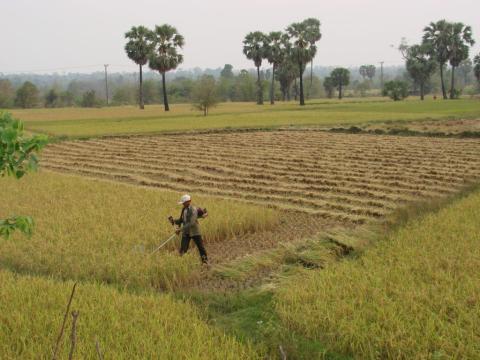
IWRM–EbA Project Supports Food Security and Ecosystem Protection in the Xe Bang Hieng Basin
In response, the Integrated Water Resources Management–Ecosystem-based Adaptation (IWRM–EbA) Project, supported by the Global Environment Facility (GEF) and the United Nations Development Programme (UNDP), has been implementing Community Conservation Agreements (CCA) in the districts of Nong, Sepon, and Xonnabouly. These agreements encourage communities to link sustainable livelihood practices with ecosystem protection, promoting climate resilience while enhancing food security.
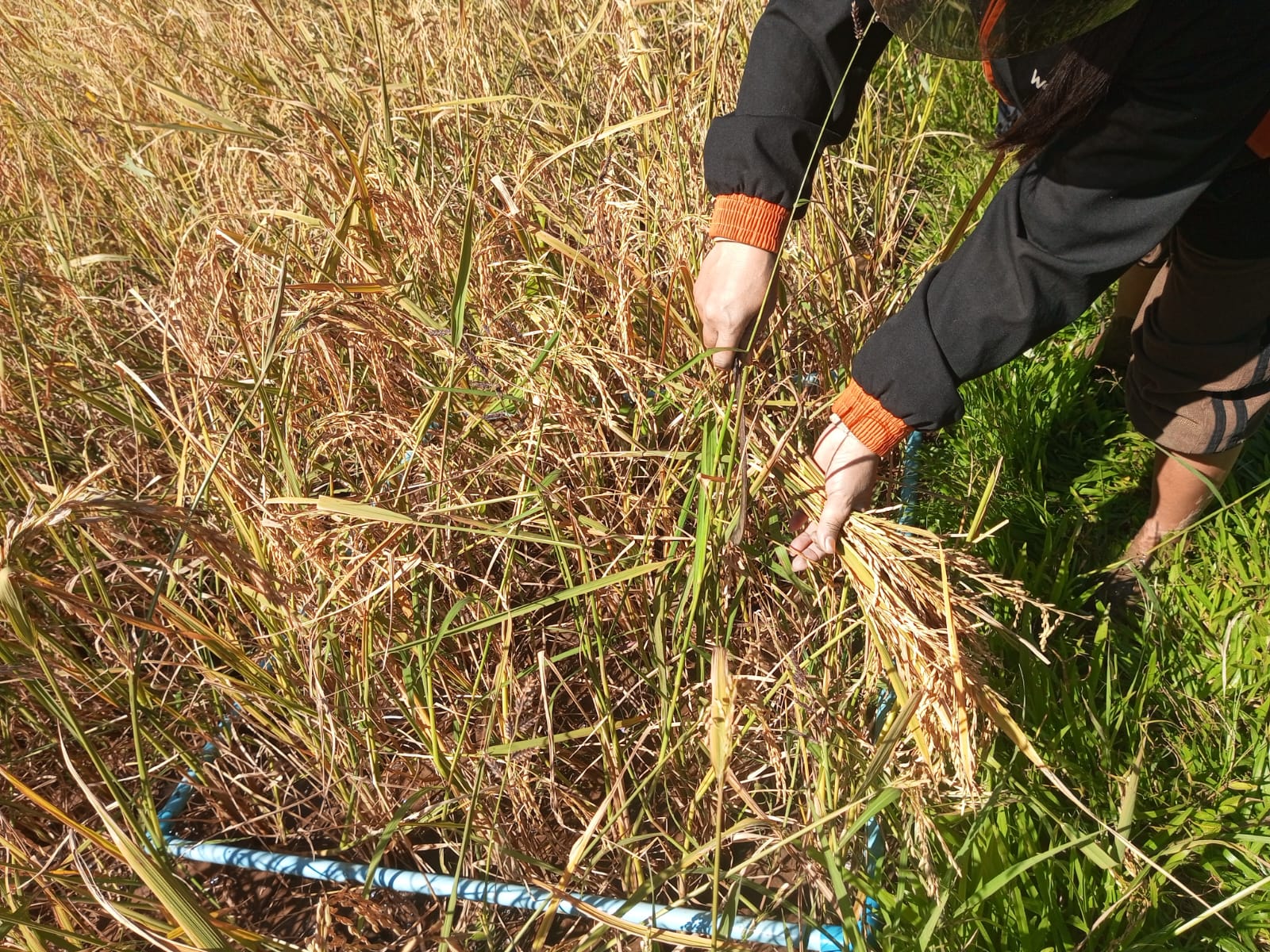
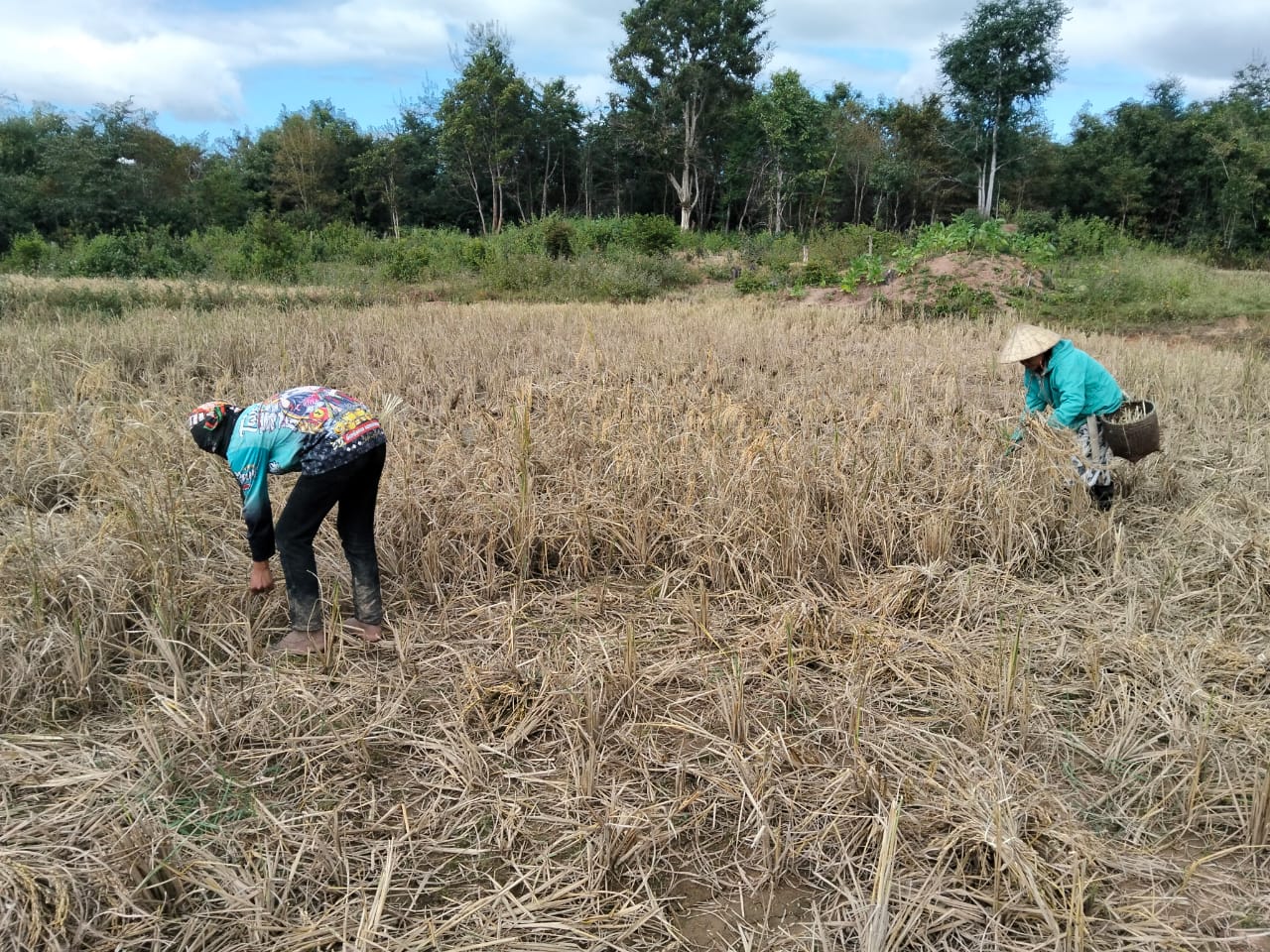
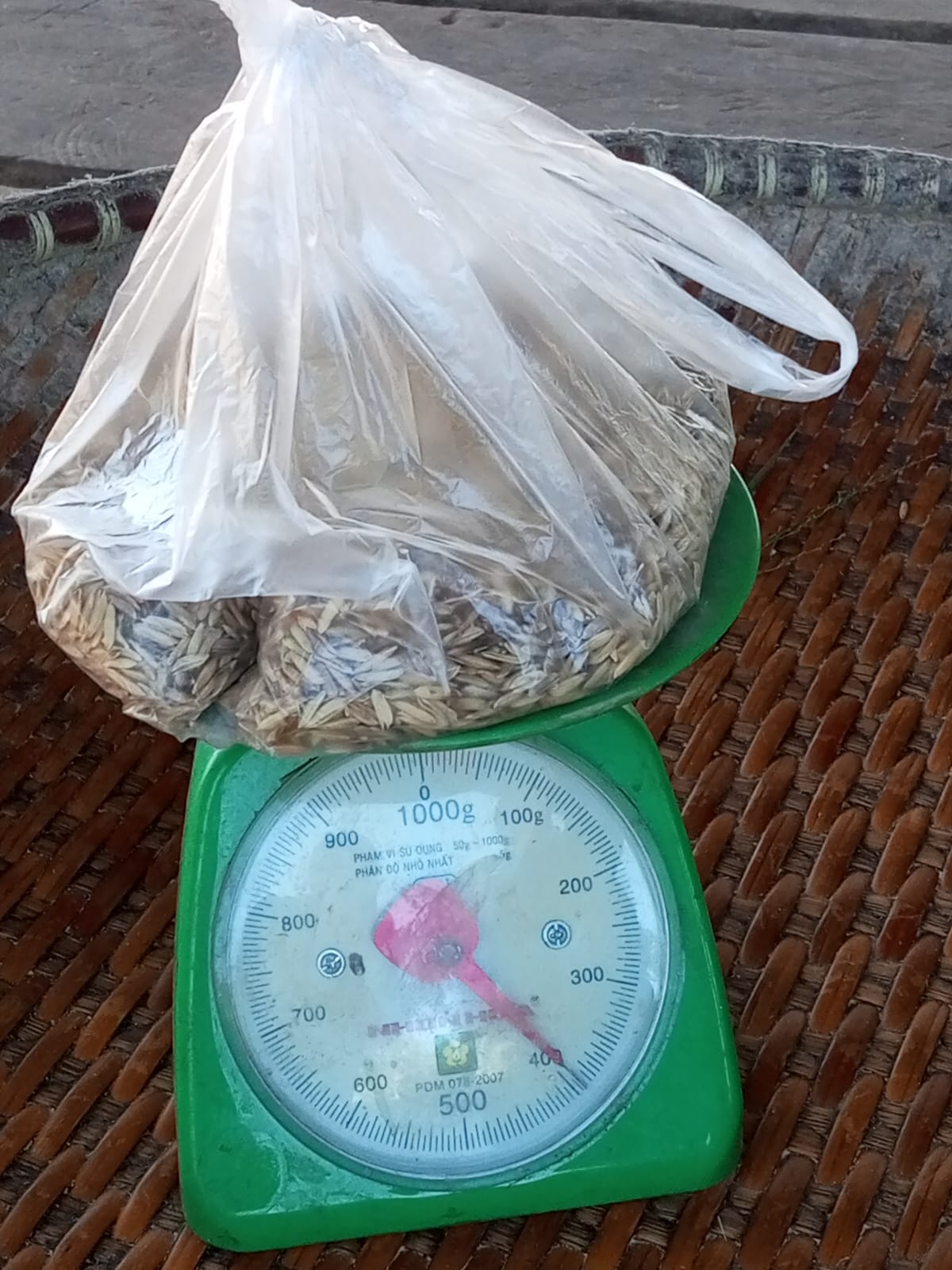
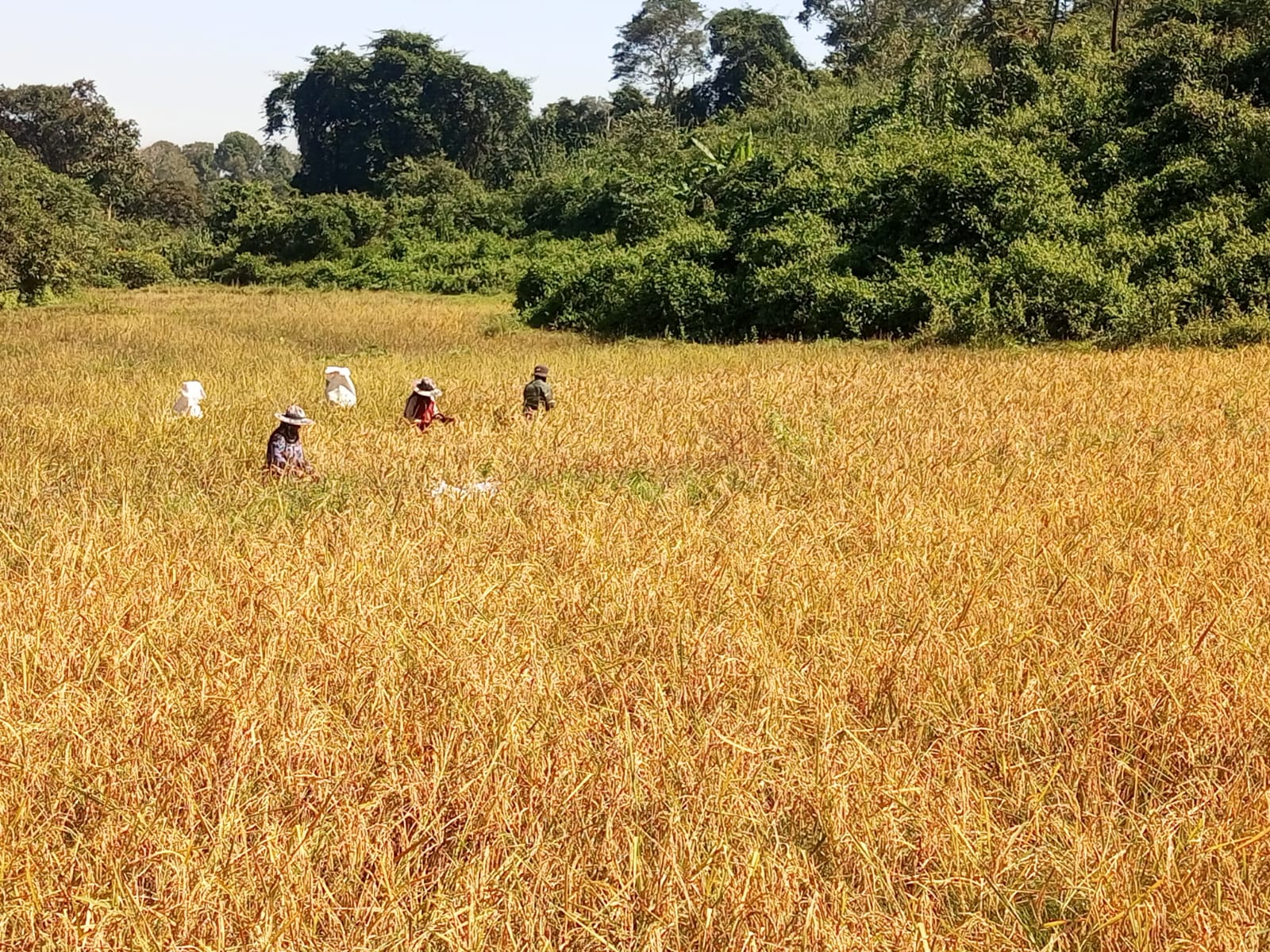
In December 2025, the project, in close collaboration with provincial and district authorities, conducted field monitoring of the Thadorkkham rice variety supported by the project across five target villages. The monitoring confirmed that rice production was completed at 100 percent across all sites despite severe climate-related challenges. In TangAlai Village of Nong District, approximately 75 percent of the rice seed support per household was successfully harvested, demonstrating active community participation and effective crop management. Yield assessments indicated that project-supported rice produced slightly lower but broadly comparable results to local seed varieties. In Nong District, project rice yielded around 3.15 tons per hectare compared to 3.50 tons per hectare for local varieties. In Sepon District, project-supported rice yielded about 3.20 tons per hectare while local varieties achieved 3.70 tons per hectare. In Xonnabouly District, yields were closely matched, with project rice averaging 3.05 tons per hectare compared to 3.12 tons per hectare for local varieties. These findings show that while project-supported rice produced slightly lower yields, it remained resilient under challenging climate conditions and has potential for further improvement with continued technical support.
Beyond rice monitoring, the project team engaged communities in discussions on livelihood diversification, particularly the introduction of greenhouse vegetable production as part of the CCA framework. Two villages demonstrated strong readiness to adopt greenhouse farming and are set to implement this initiative in the next phase of project support. The field visits also provided opportunities for knowledge exchange and capacity building. Farmers shared their experiences with climate-resilient agricultural practices, while project staff provided technical guidance on crop management, water conservation, and soil protection. These interactions strengthened understanding of ecosystem-based adaptation approaches and reinforced community commitment to sustainable land and water management.
Through these integrated activities, the IWRM–EbA Project continues to enhance food security, protect critical ecosystems, and support climate-resilient rural livelihoods in the Xe Bang Hieng Basin. By linking climate-resilient rice cultivation with ecosystem conservation and livelihood diversification, the project helps communities adapt to changing environmental conditions while safeguarding the natural resources on which they depend. The success of this monitoring activity underscores the importance of supporting local communities with practical, climate-smart solutions that integrate sustainable agriculture with ecosystem protection. The project will continue to scale these interventions, strengthening resilience, reducing climate risks, and promoting sustainable development across Savannakhet Province.
#IWRMEbA #Wetlands #ClimateAction #NatureBasedSolutions #EcosystemBasedAdaptation #WaterSecurity #Biodiversity #Resilience #SustainableDevelopment #UNDP #LaoPDR #China #Kunming #EnvironmentalProtection #ClimateResilience
Latest Highlights
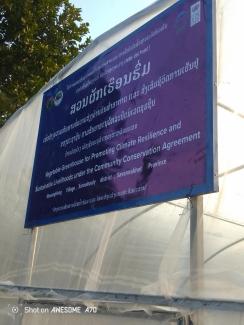
The IWRM–EbA Project, supported by the Global Environment Facility (GEF) and implemented with technical and financial assistance from UNDP, has introduced greenhouses, farming equipment, and technical training in Muang Hong Village, Chonburi District. Through the Community Ecosystem Conservation Agreement (CCA), this initiative enhances climate resilience, promotes sustainable agriculture, restores ecosystems
ໂຄງການ IWRM–EbA ແມ່ນໄດ້ຮັບການສະໜັບສະໜູນຈາກ ກອງທຶນສິ່ງແວດລ້ອມໂລກ (GEF) ແລະ ຈັດຕັ້ງປະຕິບັດດ້ວຍການຊ່ວຍເຫຼືອດ້ານເຕັກນິກ ແລະ ການເງິນຈາກ UNDP, ໄດ້ນຳເອົາ ເຮືອນຮົ່ມ, ອຸປະກອນເຮັດກະສິກຳ ແລະ ການຝຶກອົບຮົມດ້ານເຕັກນິກ ມາສູ່ບ້ານເມືອງໂຮງ ເມືອງຊົນນະບູລີ. ຜ່ານຂໍ້ຕົກລົງ ການສົ່ງເສີມສັນຍາອະນຸລັກຊຸມຊົນ (CCA), ໂຄງການນີ້ໄດ້ຊ່ວຍໃຫ້ ກະສິກຳທົນທານຕໍ່ສະພາບອາກາດໄດ້ດີຂຶ້ນ, ສົ່ງເສີມການເຮັດນາ-ສວນແບບຍືນຍົງ, ຟື້ນຟູລະບົບນິເວດ ແລະ ປັບປຸງຊີວິດການເປັນຢູ່ ຂອງຊຸມຊົນທ້ອງຖິ່ນໃຫ້ດີຂຶ້ນ.
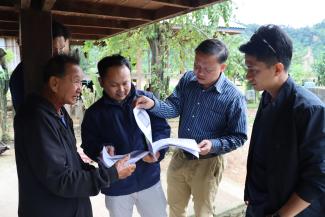
The Integrated Water Resources Management and Ecosystem-based Adaptation (IWRM–EbA) project carried out a field mission from 3–8 November 2025 in Savannakhet Province to monitor target sites and consult with local communities on the planned construction of small-scale protective infrastructure. The activity aims to reduce flood and drought risks, strengthen ecosystem
ໂຄງການຄຸ້ມຄອງຊັບພະຍາກອນນ້ຳແບບເຊື່ອມສານ ແລະ ການປັບຕົວພື້ນຖານລະບົບນິເວດ (IWRM–EbA) ໄດ້ປະຕິບັດພາລະກິດພາກສະໜາມແຕ່ວັນທີ 3–8 ພະຈິກ 2025 ທີ່ແຂວງສະຫວັນນະເຂດ ເພື່ອຕິດຕາມກວດກາສະຖານທີ່ເປົ້າໝາຍ ແລະ ປຶກສາຫາລືກັບຊຸມຊົນທ້ອງຖິ່ນກ່ຽວກັບການວາງແຜນການກໍ່ສ້າງພື້ນຖານໂຄງລ່າງປ້ອງກັນຂະໜາດນ້ອຍ. ກິດຈະກຳດັ່ງກ່າວມີຈຸດປະສົງເພື່ອຫຼຸດຜ່ອນຄວາມສ່ຽງຈາກໄພນ້ຳຖ້ວມ ແລະ ໄພແຫ້ງແລ້ງ, ເສີມສ້າງຄວາມທົນທານຂອງລະບົບນິເວດ ແລະ ຮັບປະກັນການມີສ່ວນຮ່ວມຂອງຊຸມຊົນຢ່າງເຕັມທີ່ໃນໄລຍະການກໍ່ສ້າງ.