Site Monitoring and Community Consultations to Prepare Climate-Resilient Infrastructure Construction in Savannakhet
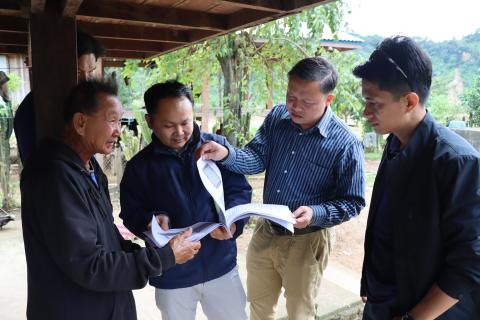
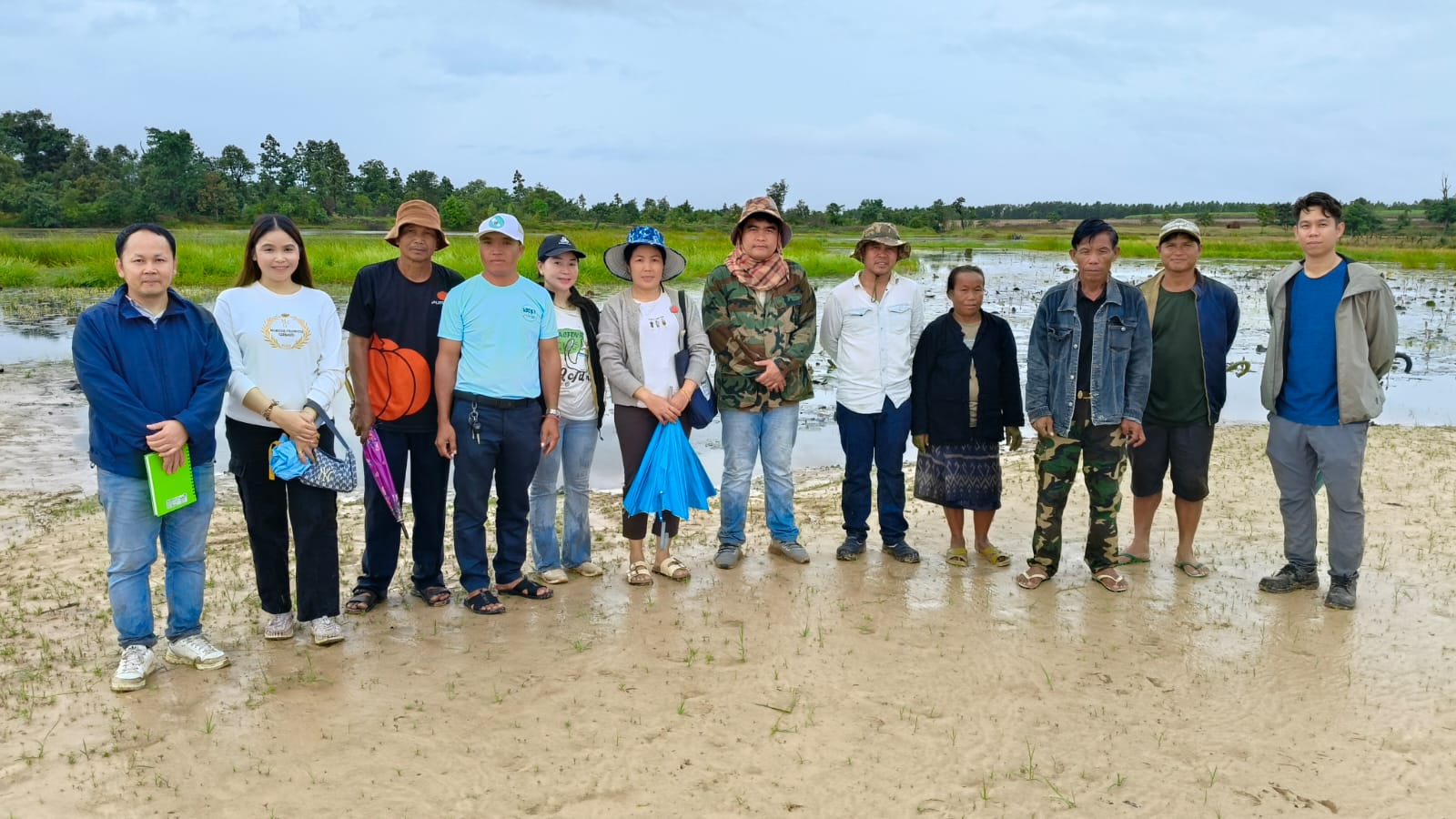
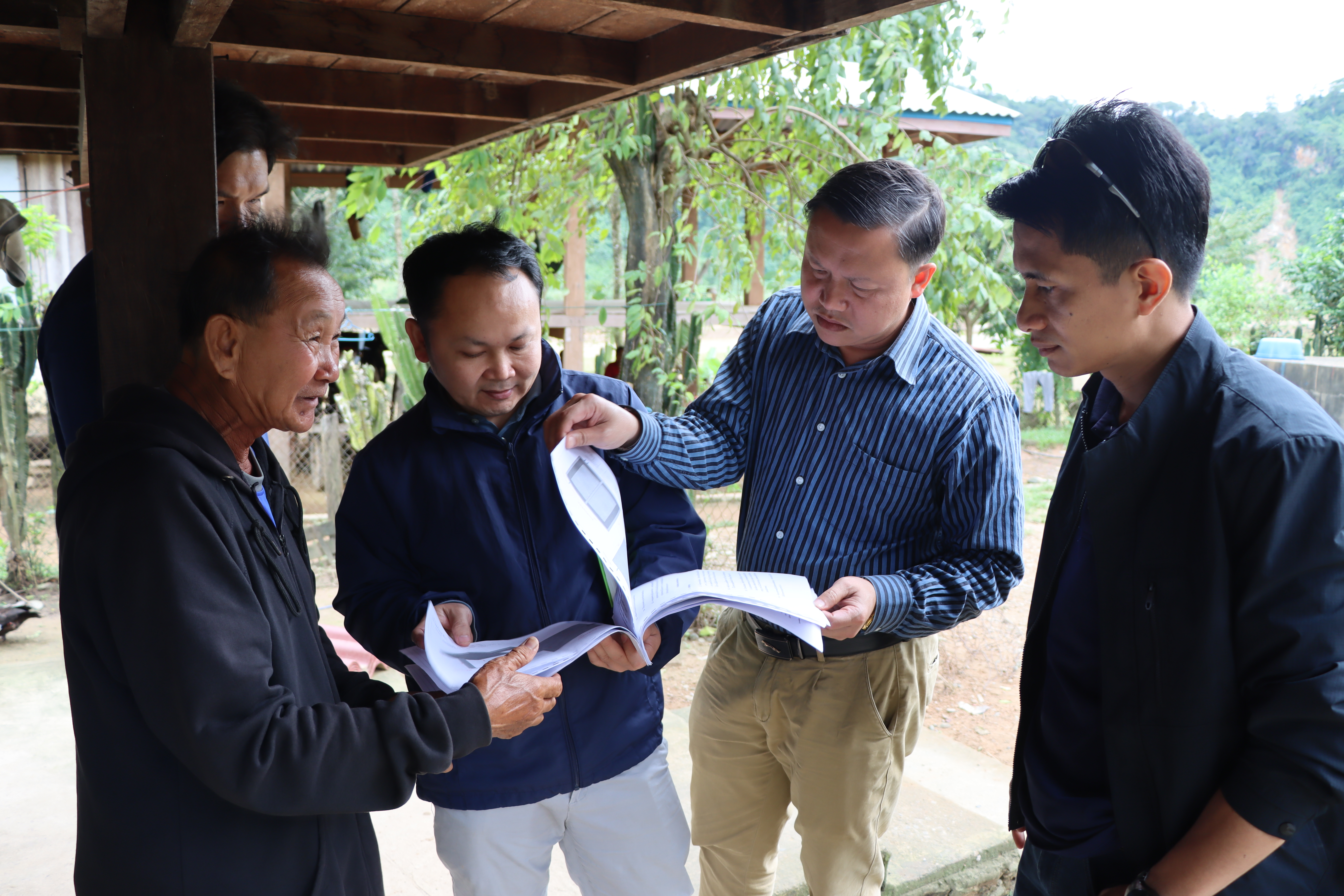
This field activity, part of the IWRM–EbA Project’s Activity 2.1.2, aimed to ensure that the upcoming construction of flood and drought mitigation infrastructure is based on accurate site data, strong environmental safeguards, and active community involvement. The mission covered ten target villages across Nong, Sepon, Xonnabouly, Champhone, and Songkhone districts, where the team verified site conditions and met with community members and local authorities to review plans and discuss participation.
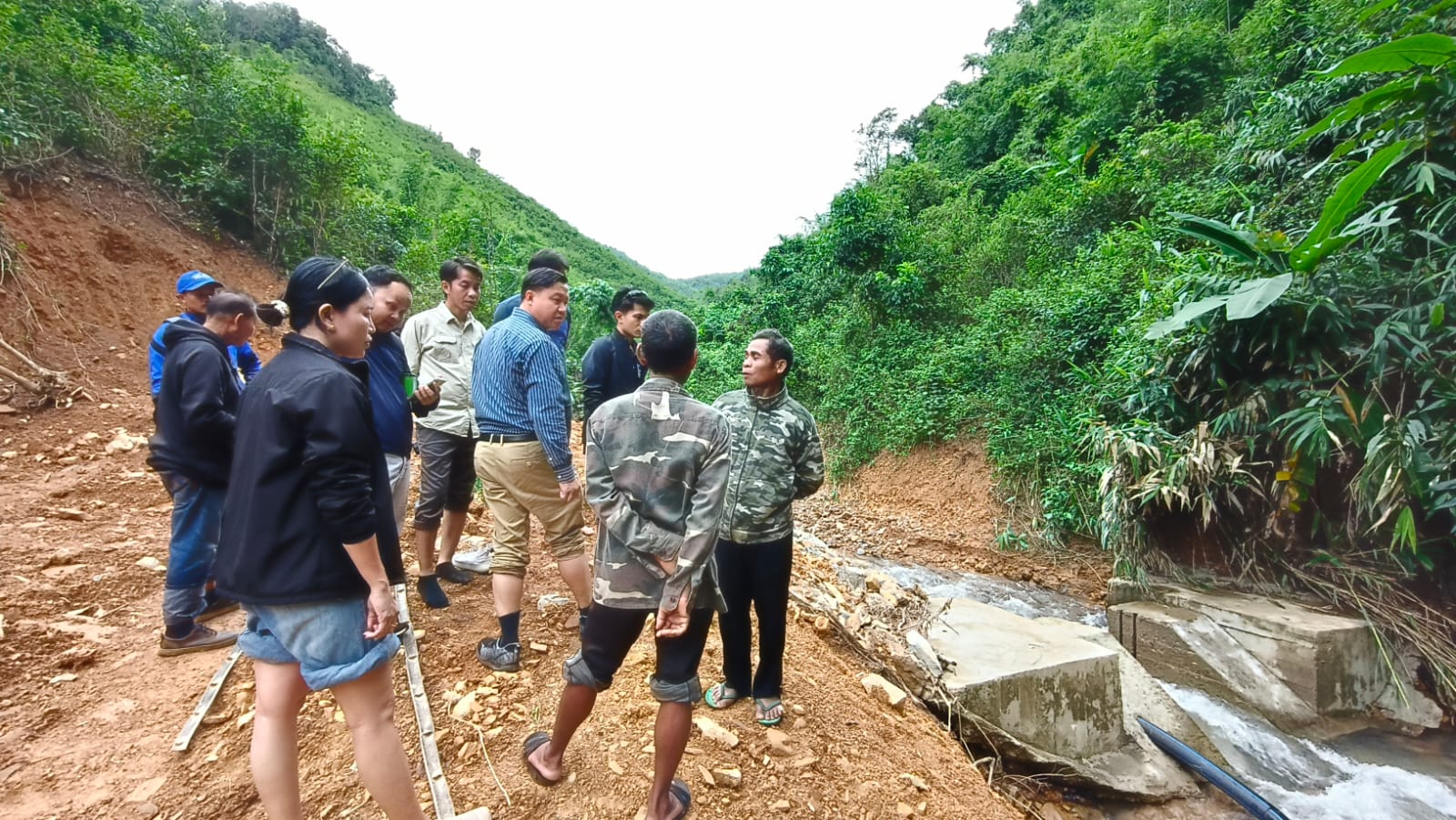
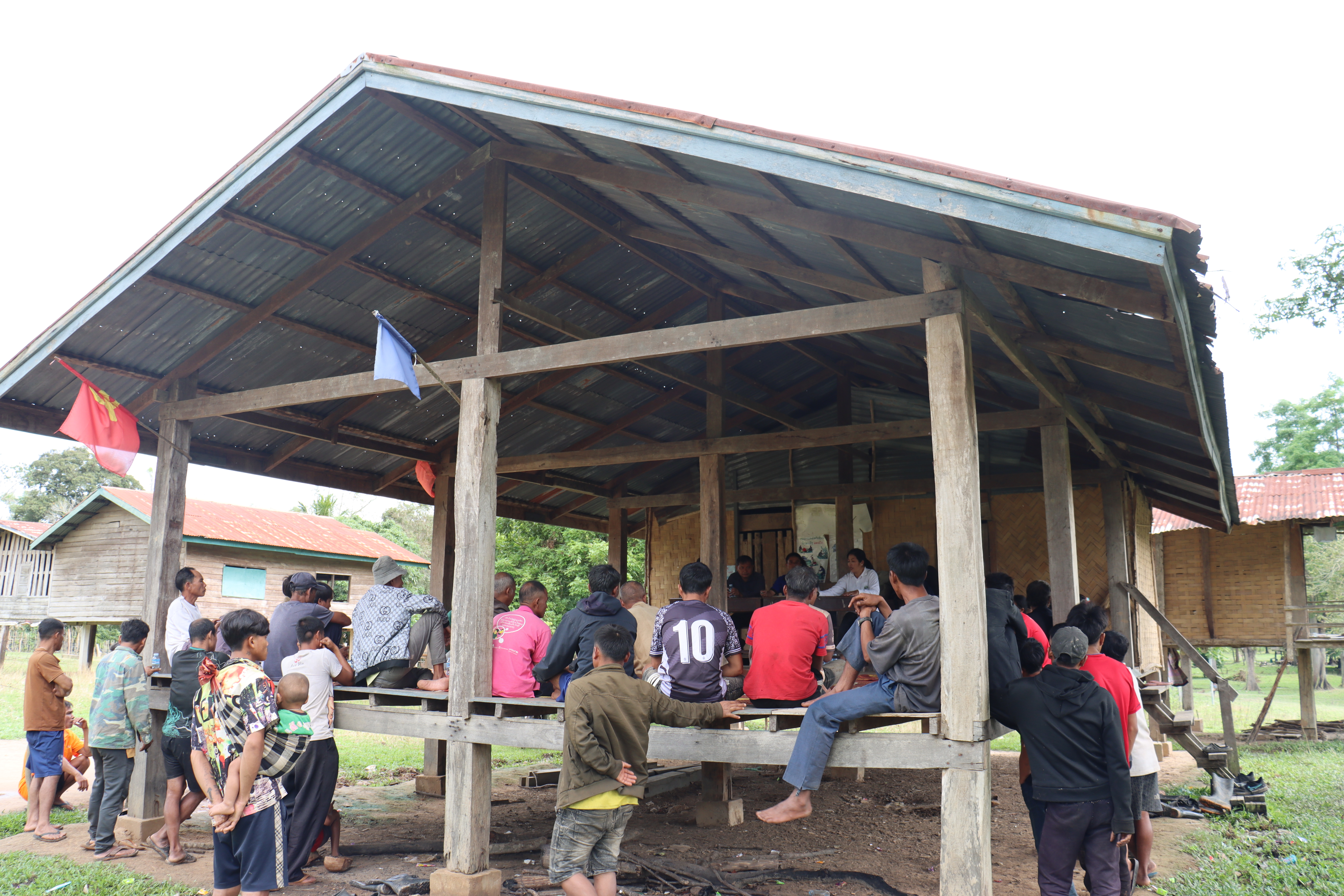
The infrastructure to be developed under this component includes wetland restoration, flood levees, gravity-fed water systems, evacuation shelters, and riverbank stabilization. These small-scale, nature-based interventions are designed to enhance local resilience to climate change by improving water retention, reducing erosion, and protecting agricultural and residential areas from recurring floods and droughts. The field mission was led by technical representatives from DWR and UNDP, in close collaboration with provincial and district Offices of Agriculture and Environment, construction companies, and community leaders. More than 120 participants, including over 100 villagers, joined the consultations, reflecting strong local engagement and support.
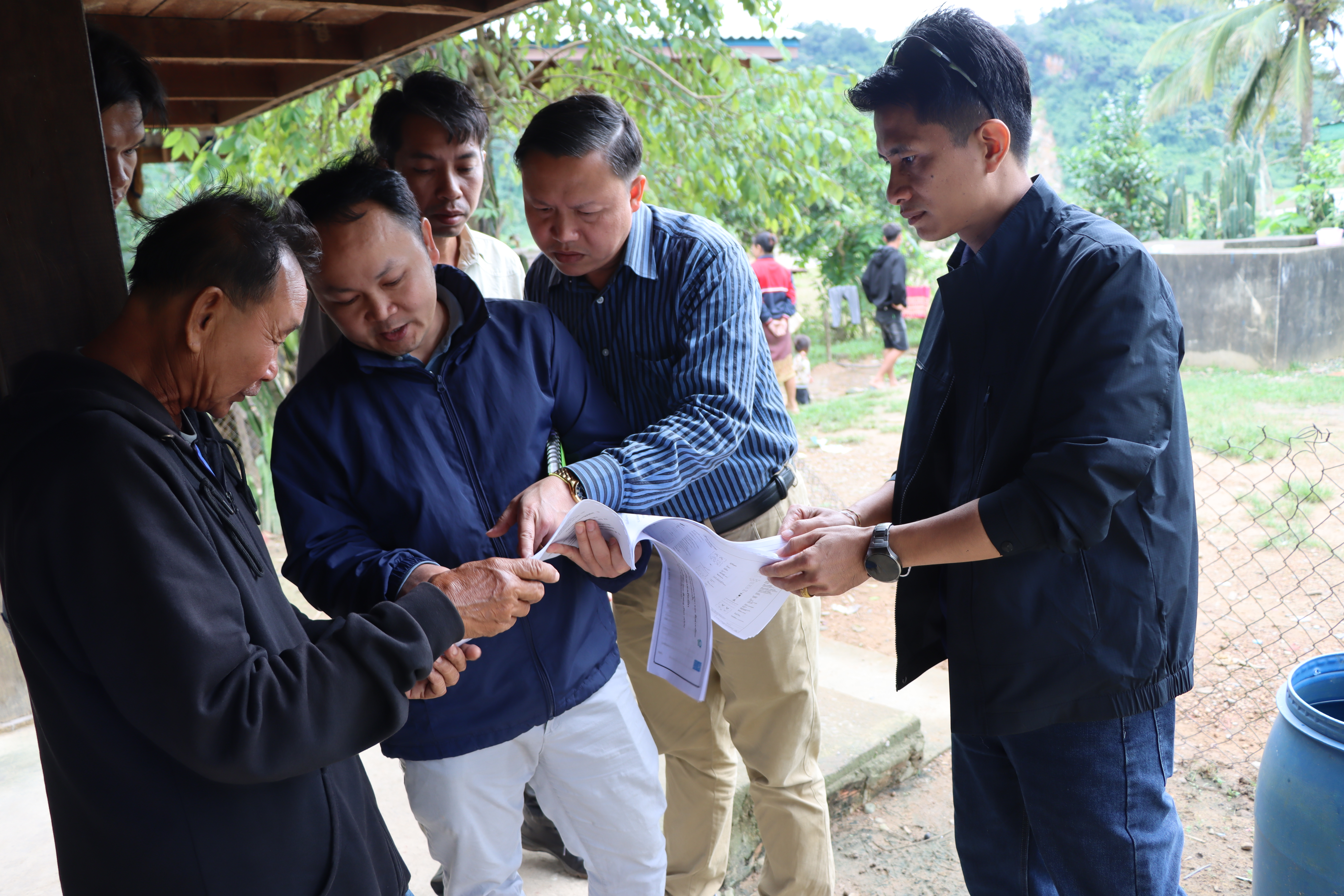
During the visits, the project team conducted detailed site inspections to verify the physical and environmental conditions of each location. These assessments focused on confirming design feasibility, soil and water characteristics, and surrounding ecological conditions. The team also collected baseline information to guide construction planning and ensure that all works align with the project’s environmental and social safeguards.
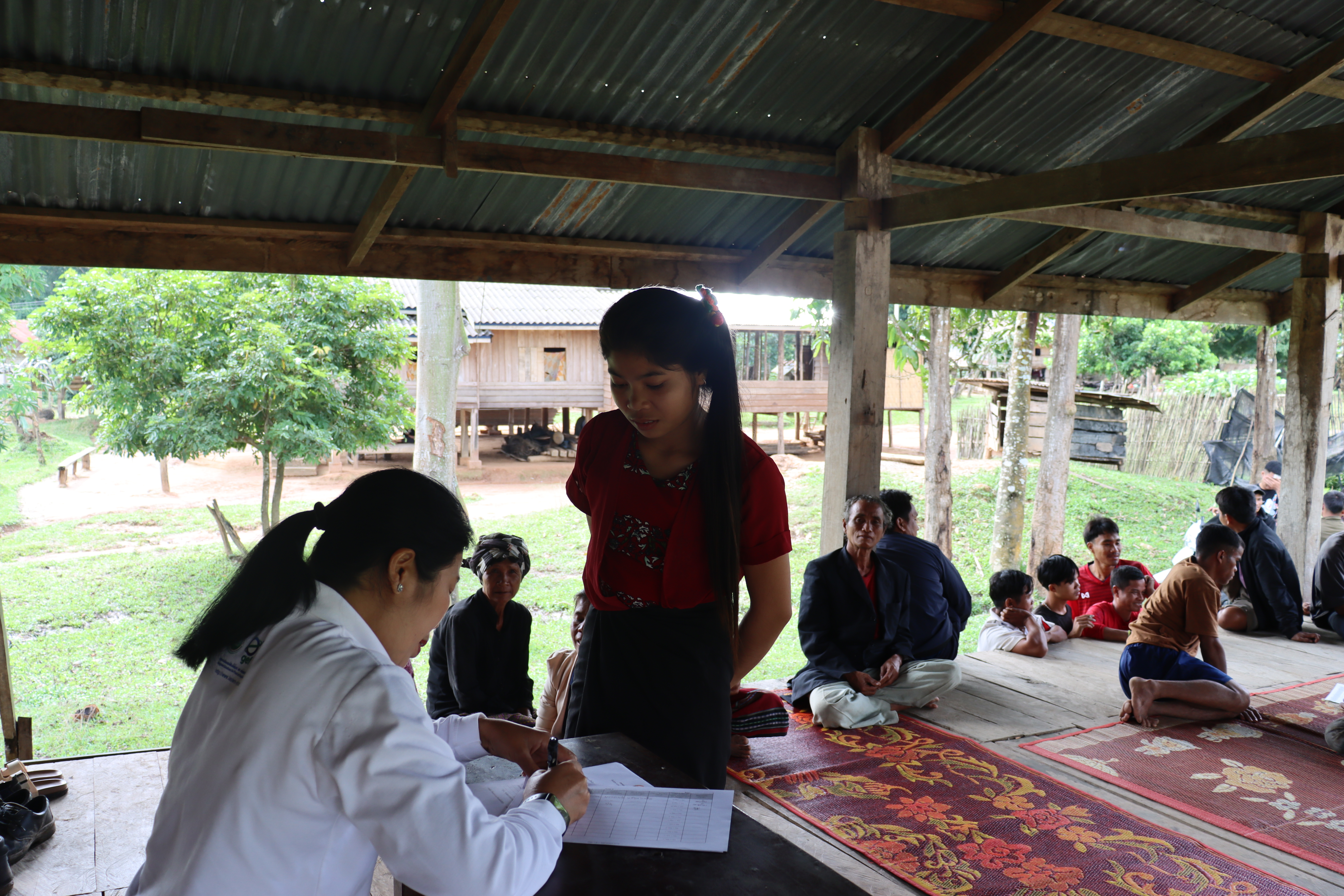
In parallel with the technical assessments, the team carried out community consultations to ensure Free, Prior, and Informed Consent (FPIC) from the participating villages. The consultations provided an open platform for discussion, allowing villagers to express their views, raise questions, and share traditional knowledge related to water and land management. The project team presented information on construction designs, environmental protection measures, and the anticipated social and economic benefits for the communities. Participants also discussed how local resources such as materials and labor could be used to support construction, promoting both cost-effectiveness and community ownership. The meetings further addressed environmental and social safeguard requirements, including measures to prevent erosion, manage construction waste, and ensure safety for local residents and workers. The safeguard discussions helped increase local understanding of the importance of integrating environmental protection into infrastructure development.
A representative from the Department of Water Resources emphasized that this mission is a vital preparatory step before construction begins. By combining technical verification with meaningful community engagement, the project ensures that all planned infrastructure responds directly to local needs while minimizing environmental and social risks. The mission also strengthened collaboration among the project team, contractors, and local authorities, helping to clarify roles, coordination mechanisms, and timelines for the next phase of implementation. Similarly, a UNDP representative highlighted that the participatory nature of the mission reflects the project’s commitment to inclusive and sustainable climate action. By involving communities in the early stages of planning and design, the project builds trust, enhances local capacity, and lays the foundation for long-term resilience.
The mission concluded successfully, with all target sites verified, FPIC consultations completed, and communities expressing readiness to cooperate during construction. Local participants reaffirmed their commitment to contribute materials, labor, and monitoring support once the works commence. The IWRM–EbA Project continues to support the Lao government’s efforts to promote integrated, ecosystem-based approaches for water and natural resource management. By combining infrastructure improvements with environmental restoration and community empowerment, the project is helping to build a more resilient future for communities in the Xe Bang Hieng River Basin and Luang Prabang City.
In the coming months, the project will advance to the construction phase, translating plans into tangible results that safeguard lives and livelihoods. The lessons and practices gained from this preparatory mission will guide implementation to ensure that each structure not only mitigates flood and drought risks but also contributes to ecosystem restoration and local development. This ongoing collaboration between DWR, UNDP, and local partners demonstrates a shared commitment to achieving Lao PDR’s national priorities for climate resilience, sustainable water management, and community-based adaptation.
Contact for Further Information:
For media inquiries, please contact:
Phouphet Chittaphone, Database and Communication Officer, IWRM-EbA Project
Department of Water Resources, Ministry of Agriculture and Environment
Email: [email protected] Tel: +8562058562532

Latest Highlights
The IWRM–EbA Project, supported by the Global Environment Facility (GEF) and implemented with technical and financial assistance from UNDP, has introduced greenhouses, farming equipment, and technical training in Muang Hong Village, Chonburi District. Through the Community Ecosystem Conservation Agreement (CCA), this initiative enhances climate resilience, promotes sustainable agriculture, restores ecosystems
ໂຄງການ IWRM–EbA ແມ່ນໄດ້ຮັບການສະໜັບສະໜູນຈາກ ກອງທຶນສິ່ງແວດລ້ອມໂລກ (GEF) ແລະ ຈັດຕັ້ງປະຕິບັດດ້ວຍການຊ່ວຍເຫຼືອດ້ານເຕັກນິກ ແລະ ການເງິນຈາກ UNDP, ໄດ້ນຳເອົາ ເຮືອນຮົ່ມ, ອຸປະກອນເຮັດກະສິກຳ ແລະ ການຝຶກອົບຮົມດ້ານເຕັກນິກ ມາສູ່ບ້ານເມືອງໂຮງ ເມືອງຊົນນະບູລີ. ຜ່ານຂໍ້ຕົກລົງ ການສົ່ງເສີມສັນຍາອະນຸລັກຊຸມຊົນ (CCA), ໂຄງການນີ້ໄດ້ຊ່ວຍໃຫ້ ກະສິກຳທົນທານຕໍ່ສະພາບອາກາດໄດ້ດີຂຶ້ນ, ສົ່ງເສີມການເຮັດນາ-ສວນແບບຍືນຍົງ, ຟື້ນຟູລະບົບນິເວດ ແລະ ປັບປຸງຊີວິດການເປັນຢູ່ ຂອງຊຸມຊົນທ້ອງຖິ່ນໃຫ້ດີຂຶ້ນ.
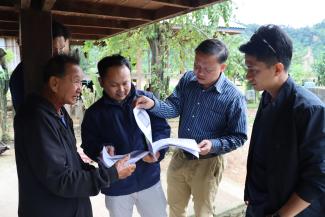
The Integrated Water Resources Management and Ecosystem-based Adaptation (IWRM–EbA) project carried out a field mission from 3–8 November 2025 in Savannakhet Province to monitor target sites and consult with local communities on the planned construction of small-scale protective infrastructure. The activity aims to reduce flood and drought risks, strengthen ecosystem
ໂຄງການຄຸ້ມຄອງຊັບພະຍາກອນນ້ຳແບບເຊື່ອມສານ ແລະ ການປັບຕົວພື້ນຖານລະບົບນິເວດ (IWRM–EbA) ໄດ້ປະຕິບັດພາລະກິດພາກສະໜາມແຕ່ວັນທີ 3–8 ພະຈິກ 2025 ທີ່ແຂວງສະຫວັນນະເຂດ ເພື່ອຕິດຕາມກວດກາສະຖານທີ່ເປົ້າໝາຍ ແລະ ປຶກສາຫາລືກັບຊຸມຊົນທ້ອງຖິ່ນກ່ຽວກັບການວາງແຜນການກໍ່ສ້າງພື້ນຖານໂຄງລ່າງປ້ອງກັນຂະໜາດນ້ອຍ. ກິດຈະກຳດັ່ງກ່າວມີຈຸດປະສົງເພື່ອຫຼຸດຜ່ອນຄວາມສ່ຽງຈາກໄພນ້ຳຖ້ວມ ແລະ ໄພແຫ້ງແລ້ງ, ເສີມສ້າງຄວາມທົນທານຂອງລະບົບນິເວດ ແລະ ຮັບປະກັນການມີສ່ວນຮ່ວມຂອງຊຸມຊົນຢ່າງເຕັມທີ່ໃນໄລຍະການກໍ່ສ້າງ.