Local Authorities and UNDP Convene in Sepon District to Advance Community-Led Ecosystem Conservation and Climate Resilience
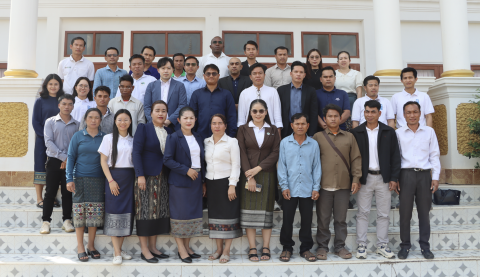
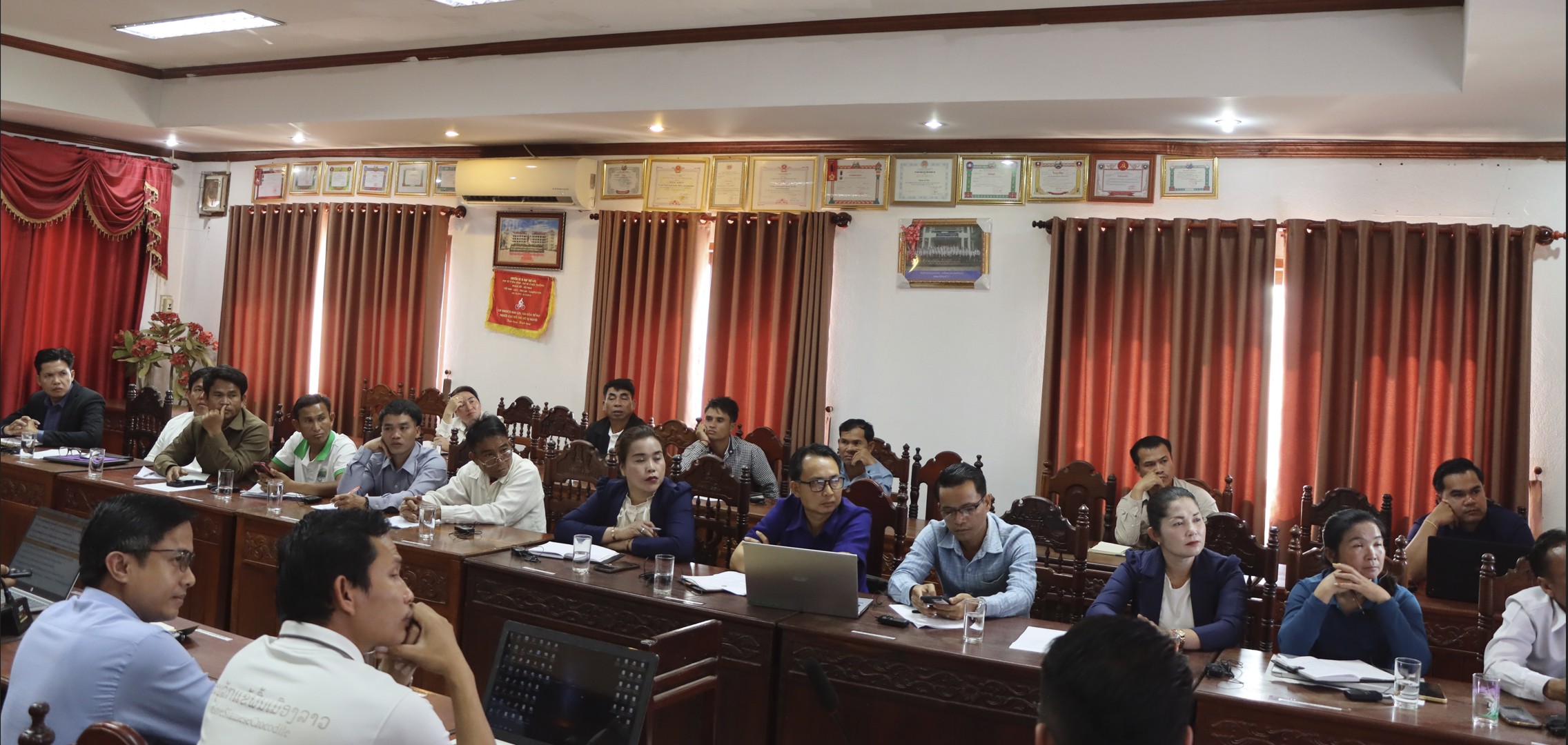
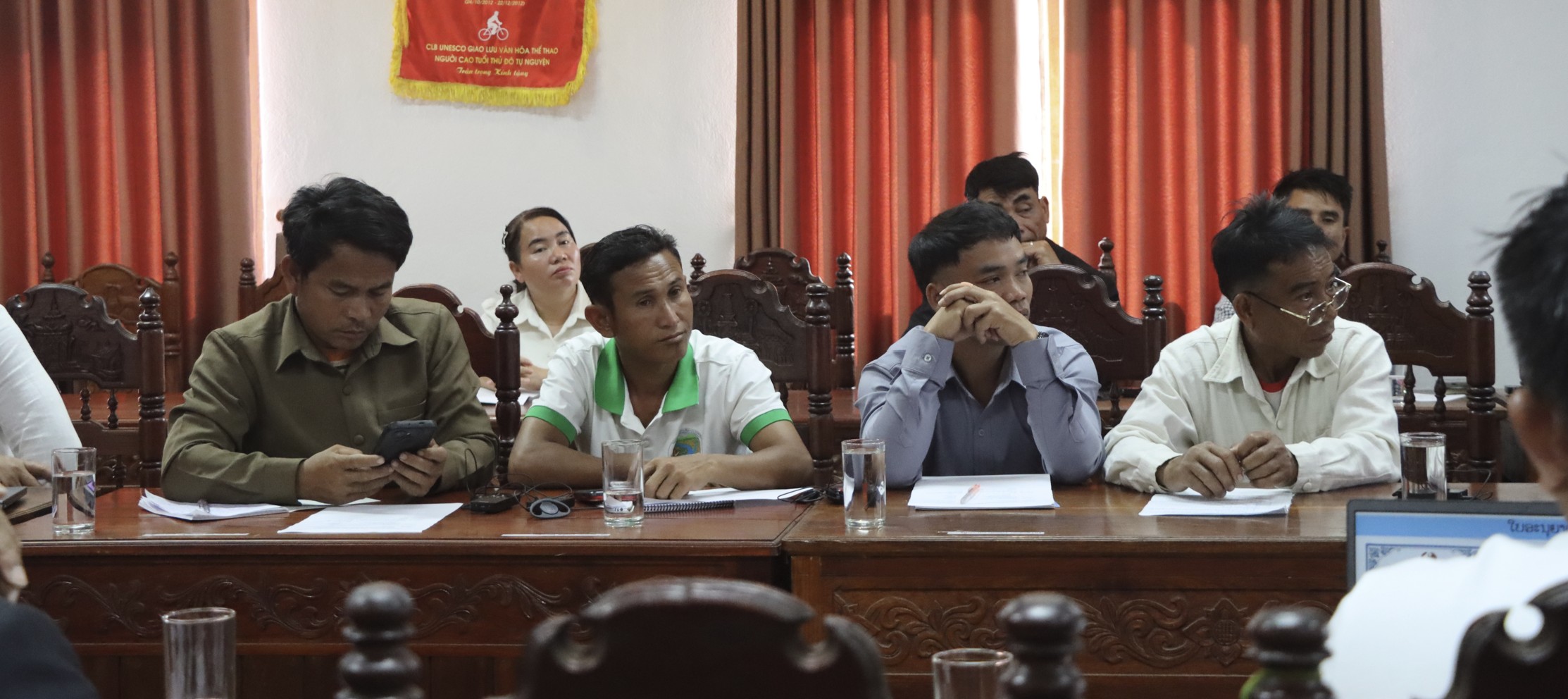
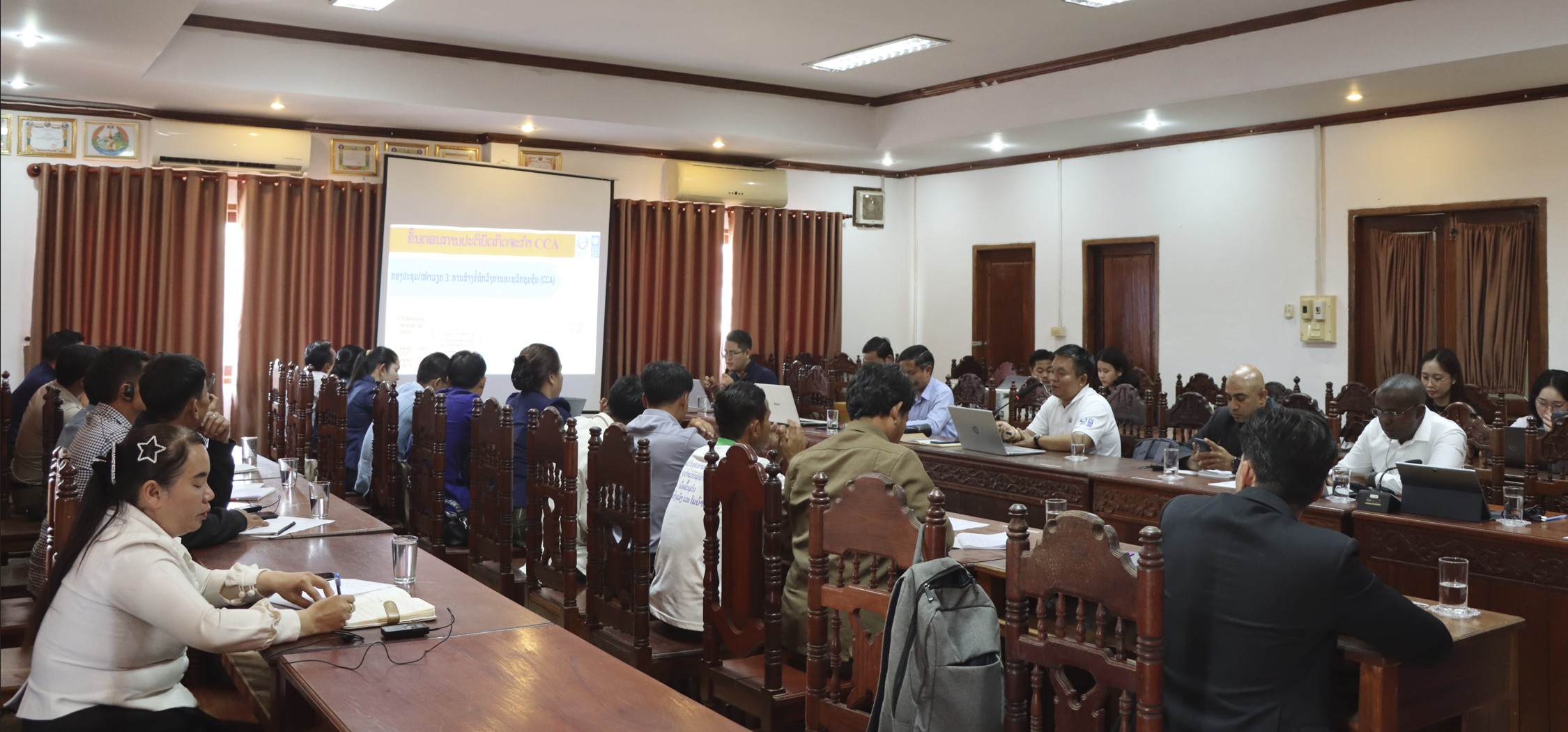
Funded by the Global Environment Facility (GEF) and implemented by the UNDP in partnership with the Department of Water Resources, the project aims to increase the climate resilience of communities vulnerable to floods and droughts. Today’s workshop brought together 35 key stakeholders to review the progress of CCAs across five target villages: Keng Houa Pa and Keng Tha Mea (Sepon District), Savu and Tang Alai Neua (Nong District), and Meuang Hong (Xonnaboury District).
Delivering Tangible Livelihood and Climate Resilience Results A major focus of the workshop was highlighting the concrete livelihood improvements already taking root in the CCA villages. To date, the project has successfully rolled out several vital climate-resilient agriculture initiatives, including the distribution of high-yield Thadokham rice varieties to local farmers.
Furthermore, the establishment of greenhouse vegetable farming now provides entire villages with a reliable source of daily food and supplemental income. Importantly, these greenhouses serve as a crucial buffer to ensure sustained food security during the heavy rainy season and periods of severe flooding.
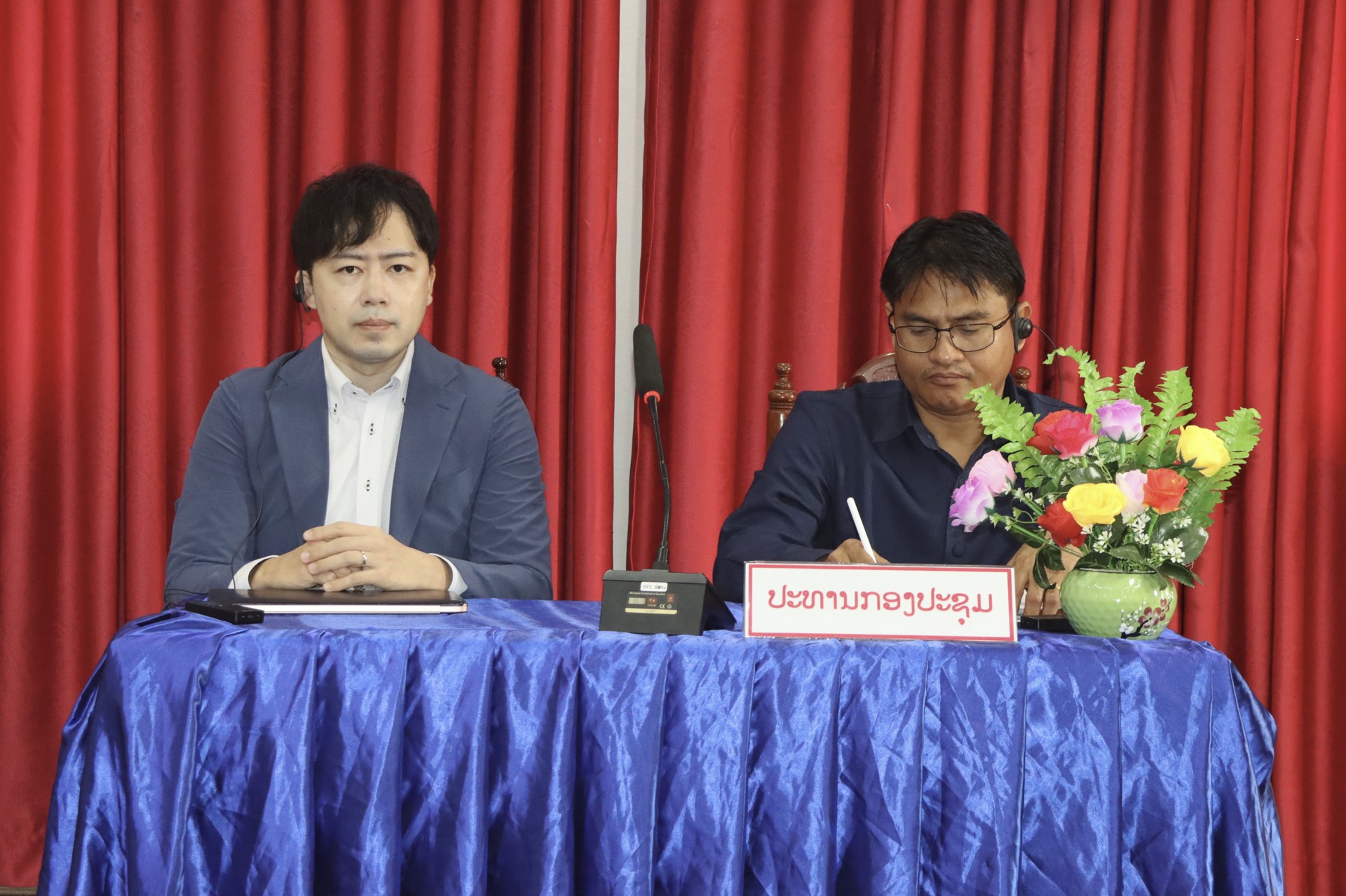
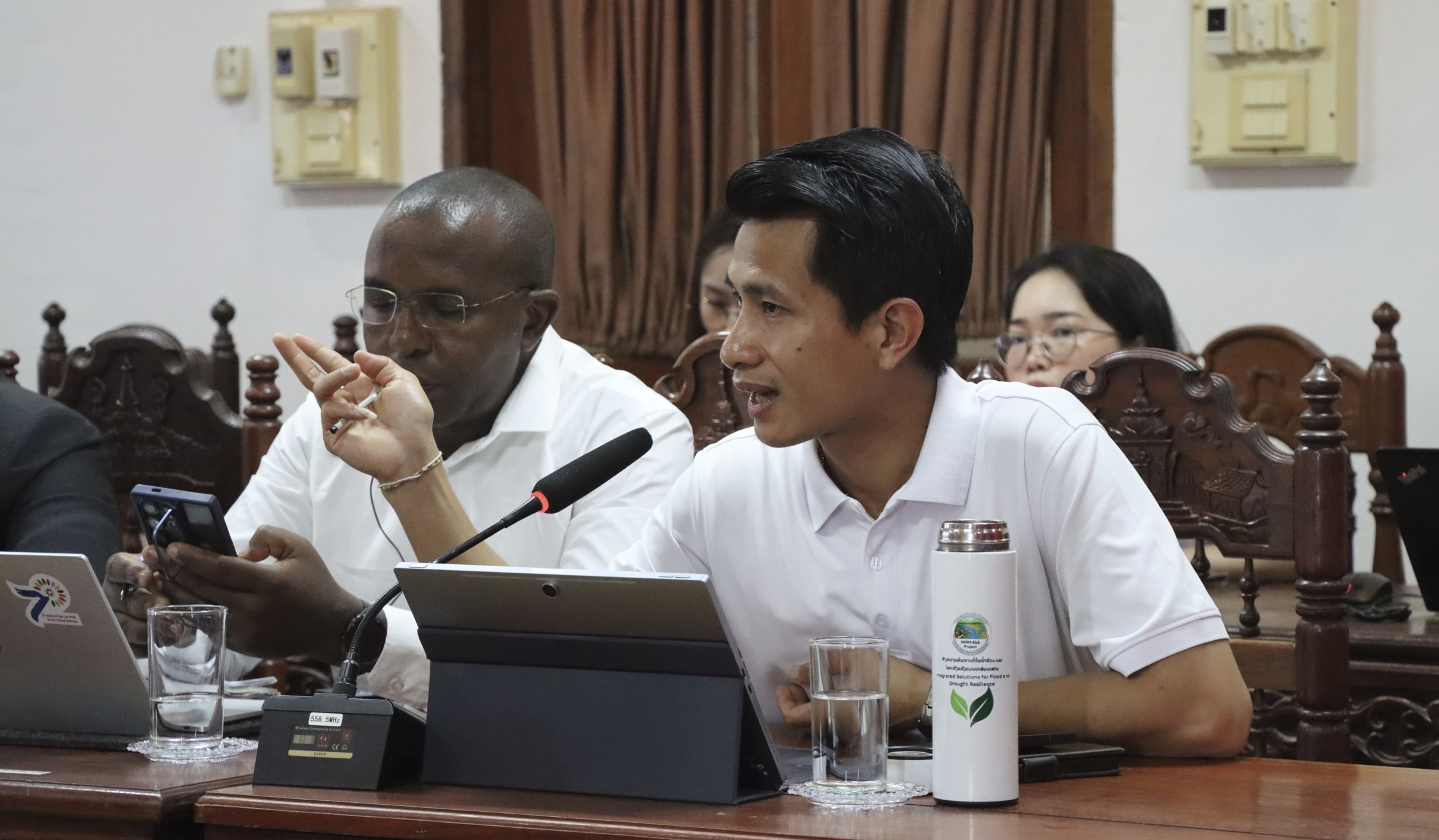
During his opening remarks, Mr. Hiroki Maruno, UNDP Representative and Co-Chair of the workshop, emphasized this critical link between environmental restoration and community prosperity:
"The main objective of the Community Conservation Agreements is to introduce alternative and enhanced livelihood opportunities that are closely linked to the conservation and restoration of partly or severely degraded forests, while also engaging communities to enhance their resilience to climate change," stated Mr. Maruno.
Echoing this sentiment, the Chairman of the Sepon District Administrative Committee, who co-chaired the event, highlighted the collaborative nature of environmental protection:
"Ecosystem conservation is not the duty of any single party alone, but rather a shared responsibility," the Chairman noted. "With the active participation of all present today, we will be able to draw valuable lessons and find effective solutions to any outstanding issues."
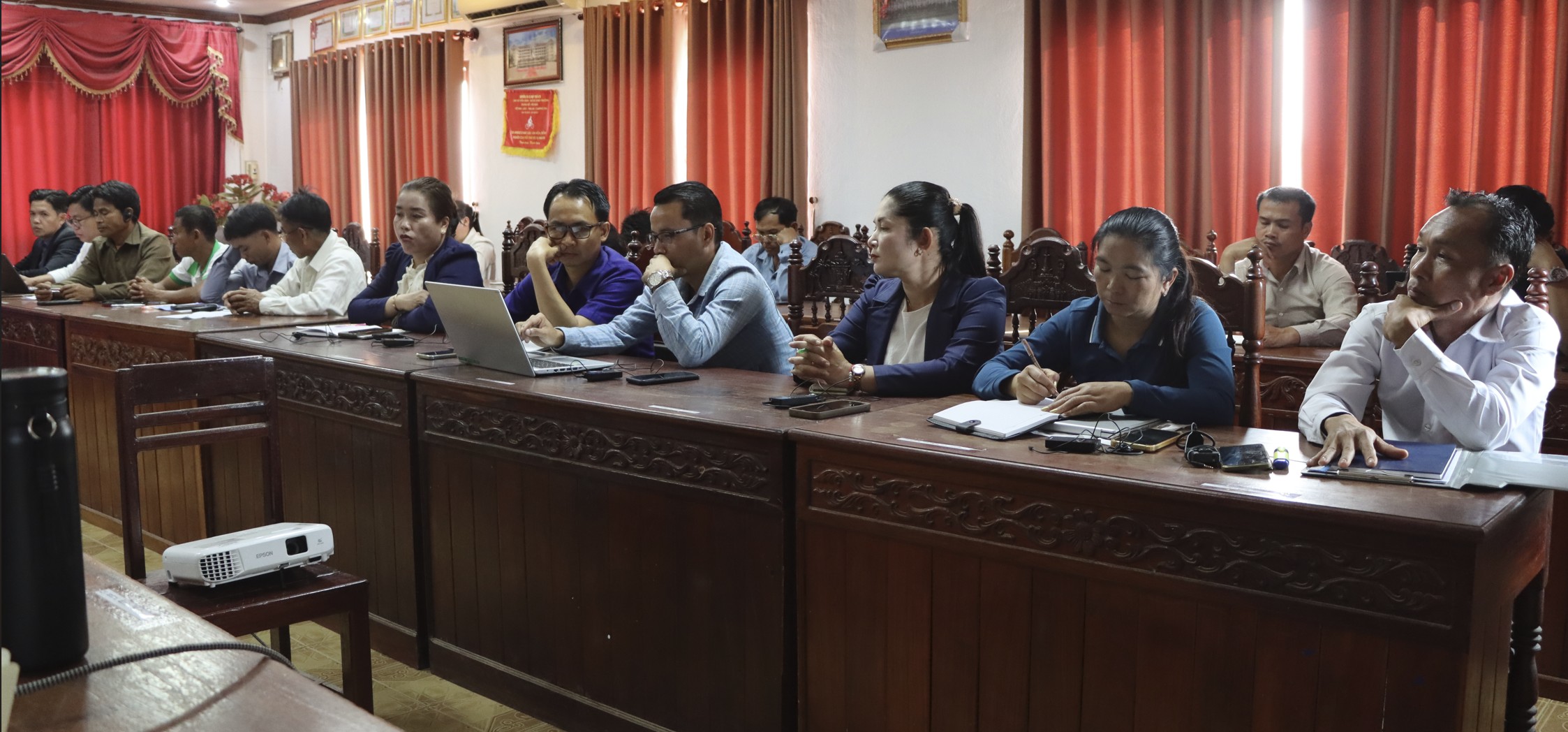
Amplifying Community Voices and Future Planning Crucially, this consultation process deeply values local perspectives. CCA Representatives and members of the Women’s Union actively joined the workshop to present their on-the-ground reports and directly propose future activities, ensuring that interventions align with the true needs of the community. Following these discussions and comprehensive surveys conducted across all target villages, CCA experts have outlined the next phase of community interventions to be finalized. Upcoming activities will focus on advancing sustainable farming by providing additional vegetable seeds and hands-on training for producing organic fertilizer. To further diversify income, the project will also introduce broom grass production for cleaning households and generating alternative revenue streams, fully supporting the daily needs of the community.
Primary Objectives and Conclusion The workshop's primary objectives and key talking points centered on three main areas. First, participants reviewed the progress and past implementation results of the CCAs in the five target villages. Second, the meeting facilitated a vital knowledge exchange, allowing stakeholders to share lessons learned, including facilitating factors, on-the-ground challenges, and direct feedback from local sectors. Finally, the group focused on future planning by determining actionable directions to guarantee the sustainability of community ecosystem conservation and maximize long-term benefits for local populations.
In conclusion, the consultation meeting underscored the strong, continued commitment of the Lao PDR government, local communities, and international partners to safeguard the Xe Bang Hieng River Basin's ecosystems. UNDP is committed to shaping a more resilient and prosperous future for Lao PDR by laying the groundwork for meaningful, lasting development. Every dollar invested acts as a catalyst, turning bold ideas into tangible, self-sustaining solutions that empower communities, strengthen livelihoods, and drive long-term growth. This commitment goes beyond immediate impact. It builds the momentum for broader support, unlocking new opportunities, the systems, and capacities needed to ensure progress continues well beyond the project's lifespan.
Written and Communication by:
Phouphet Chittaphone
Database Management and Communication Officer
IWRM-EbA Project, DWR, MAE
Tel: +8562058562532
Email: [email protected]
Latest Highlights
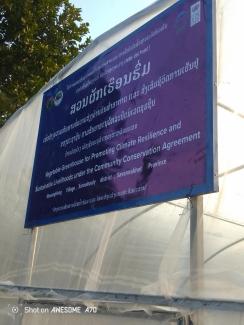
The IWRM–EbA Project, supported by the Global Environment Facility (GEF) and implemented with technical and financial assistance from UNDP, has introduced greenhouses, farming equipment, and technical training in Muang Hong Village, Chonburi District. Through the Community Ecosystem Conservation Agreement (CCA), this initiative enhances climate resilience, promotes sustainable agriculture, restores ecosystems
ໂຄງການ IWRM–EbA ແມ່ນໄດ້ຮັບການສະໜັບສະໜູນຈາກ ກອງທຶນສິ່ງແວດລ້ອມໂລກ (GEF) ແລະ ຈັດຕັ້ງປະຕິບັດດ້ວຍການຊ່ວຍເຫຼືອດ້ານເຕັກນິກ ແລະ ການເງິນຈາກ UNDP, ໄດ້ນຳເອົາ ເຮືອນຮົ່ມ, ອຸປະກອນເຮັດກະສິກຳ ແລະ ການຝຶກອົບຮົມດ້ານເຕັກນິກ ມາສູ່ບ້ານເມືອງໂຮງ ເມືອງຊົນນະບູລີ. ຜ່ານຂໍ້ຕົກລົງ ການສົ່ງເສີມສັນຍາອະນຸລັກຊຸມຊົນ (CCA), ໂຄງການນີ້ໄດ້ຊ່ວຍໃຫ້ ກະສິກຳທົນທານຕໍ່ສະພາບອາກາດໄດ້ດີຂຶ້ນ, ສົ່ງເສີມການເຮັດນາ-ສວນແບບຍືນຍົງ, ຟື້ນຟູລະບົບນິເວດ ແລະ ປັບປຸງຊີວິດການເປັນຢູ່ ຂອງຊຸມຊົນທ້ອງຖິ່ນໃຫ້ດີຂຶ້ນ.
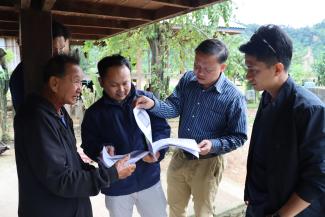
The Integrated Water Resources Management and Ecosystem-based Adaptation (IWRM–EbA) project carried out a field mission from 3–8 November 2025 in Savannakhet Province to monitor target sites and consult with local communities on the planned construction of small-scale protective infrastructure. The activity aims to reduce flood and drought risks, strengthen ecosystem
ໂຄງການຄຸ້ມຄອງຊັບພະຍາກອນນ້ຳແບບເຊື່ອມສານ ແລະ ການປັບຕົວພື້ນຖານລະບົບນິເວດ (IWRM–EbA) ໄດ້ປະຕິບັດພາລະກິດພາກສະໜາມແຕ່ວັນທີ 3–8 ພະຈິກ 2025 ທີ່ແຂວງສະຫວັນນະເຂດ ເພື່ອຕິດຕາມກວດກາສະຖານທີ່ເປົ້າໝາຍ ແລະ ປຶກສາຫາລືກັບຊຸມຊົນທ້ອງຖິ່ນກ່ຽວກັບການວາງແຜນການກໍ່ສ້າງພື້ນຖານໂຄງລ່າງປ້ອງກັນຂະໜາດນ້ອຍ. ກິດຈະກຳດັ່ງກ່າວມີຈຸດປະສົງເພື່ອຫຼຸດຜ່ອນຄວາມສ່ຽງຈາກໄພນ້ຳຖ້ວມ ແລະ ໄພແຫ້ງແລ້ງ, ເສີມສ້າງຄວາມທົນທານຂອງລະບົບນິເວດ ແລະ ຮັບປະກັນການມີສ່ວນຮ່ວມຂອງຊຸມຊົນຢ່າງເຕັມທີ່ໃນໄລຍະການກໍ່ສ້າງ.