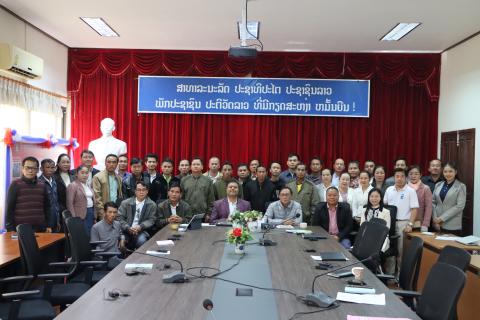
Strengthening Climate Resilience: Luang Prabang and Savannakhet Unite for Cross-Provincial Knowledge Exchange
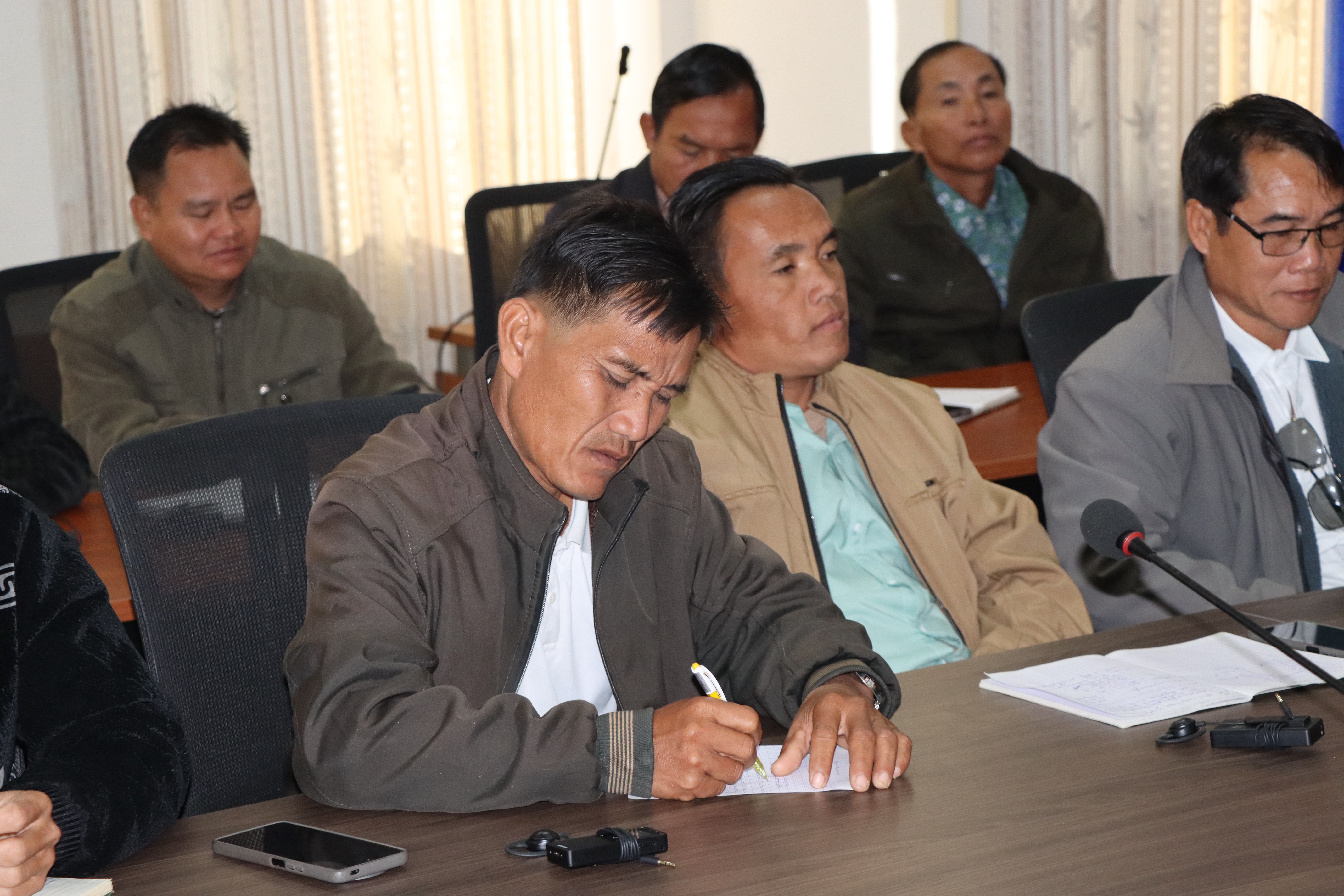
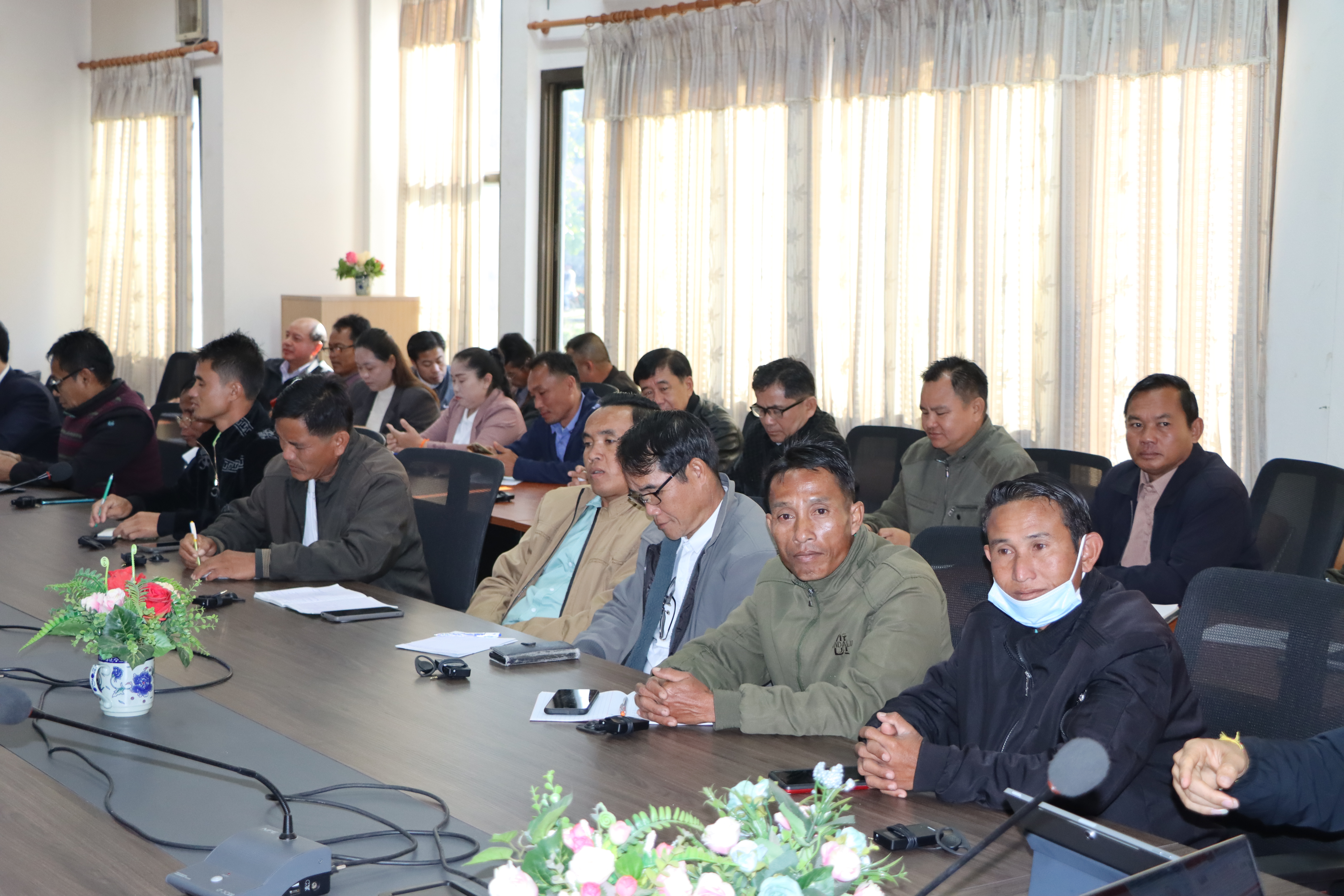
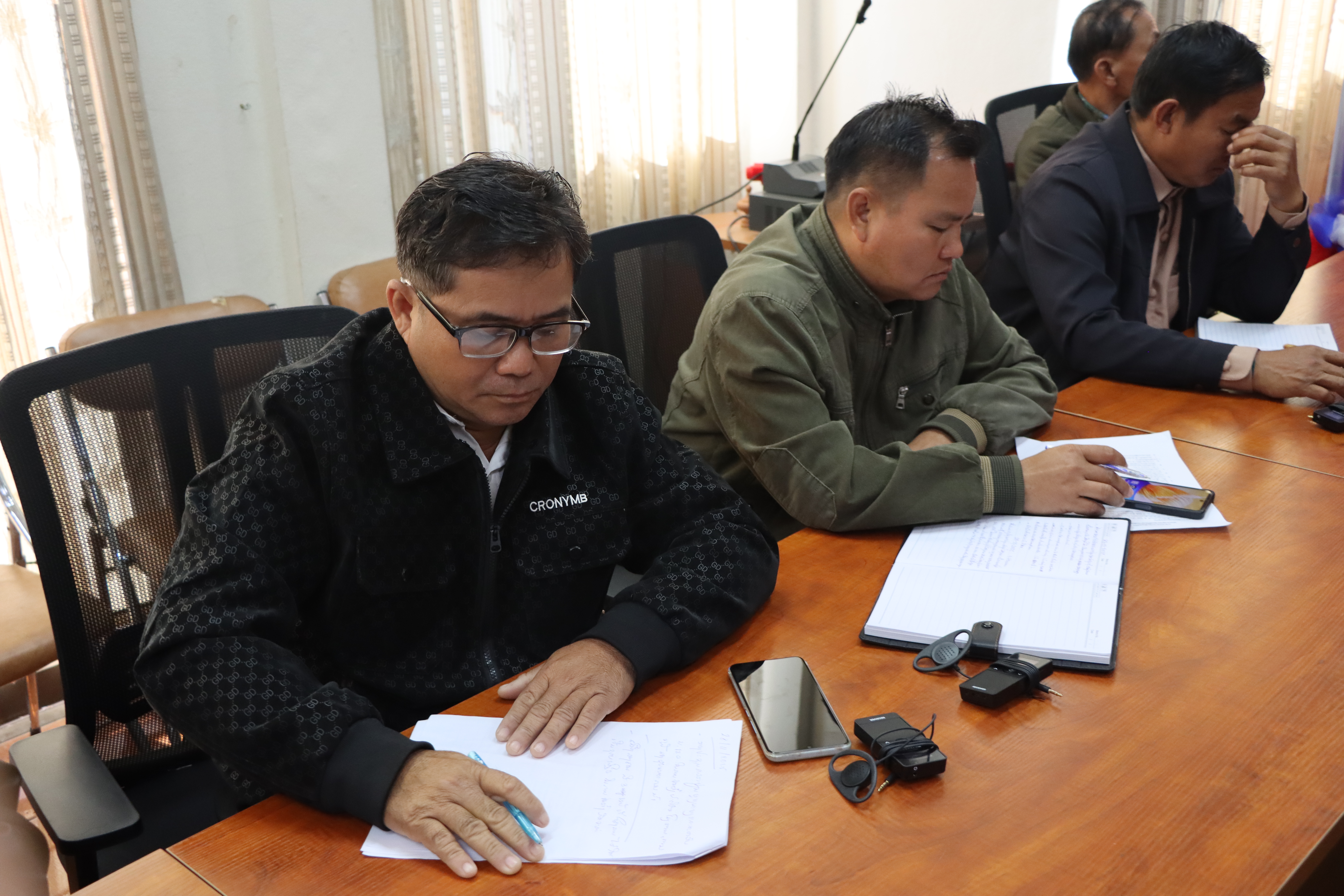
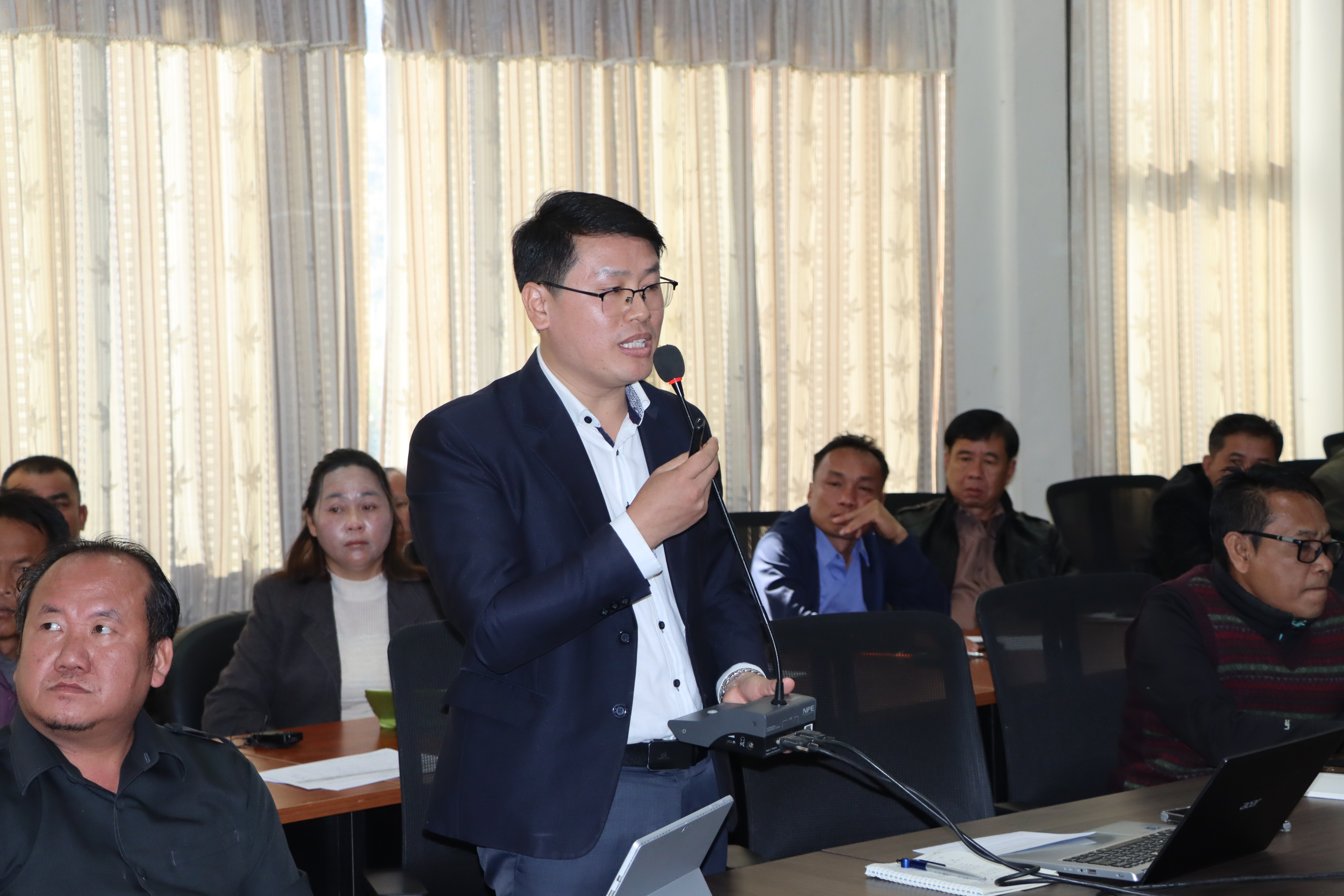
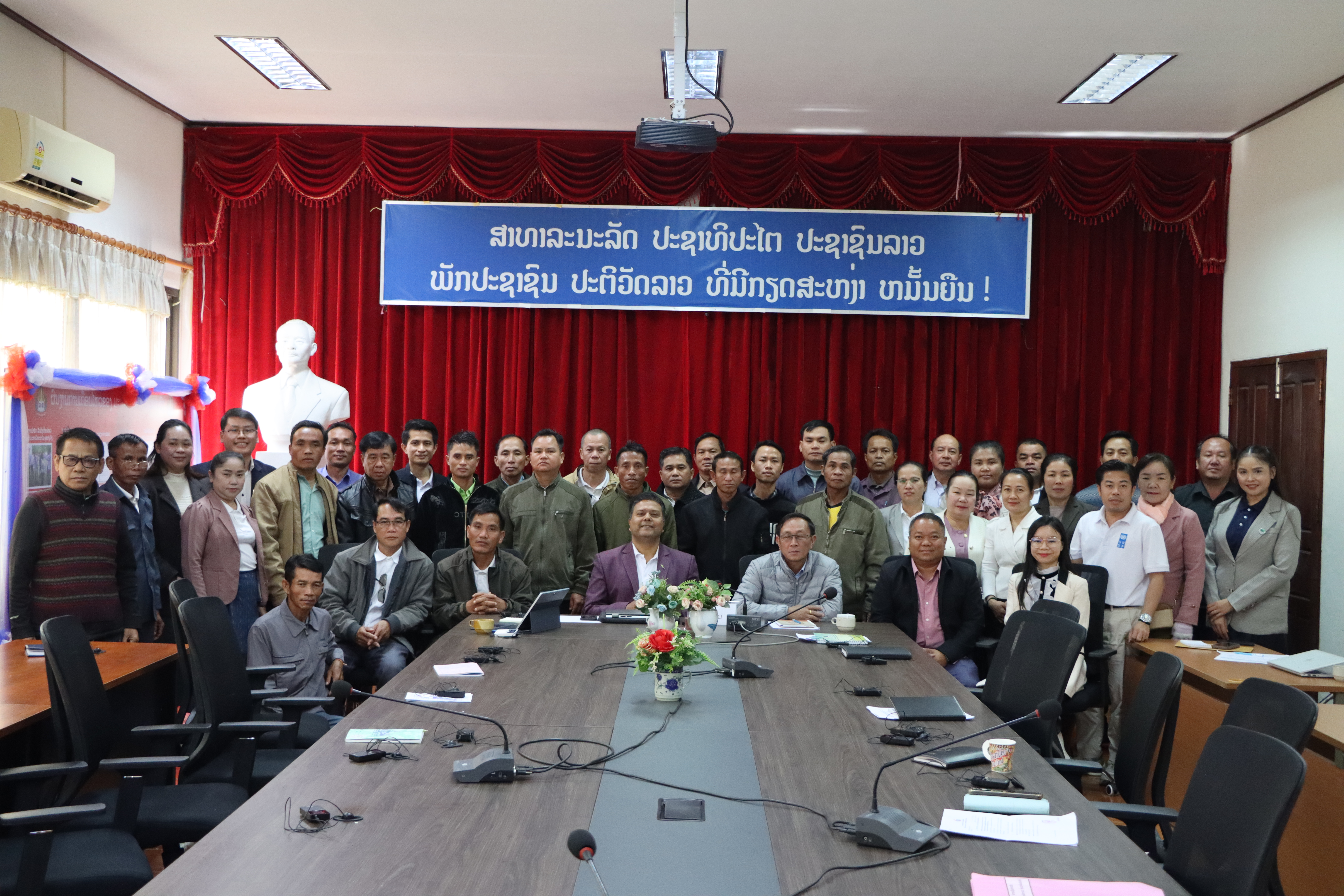
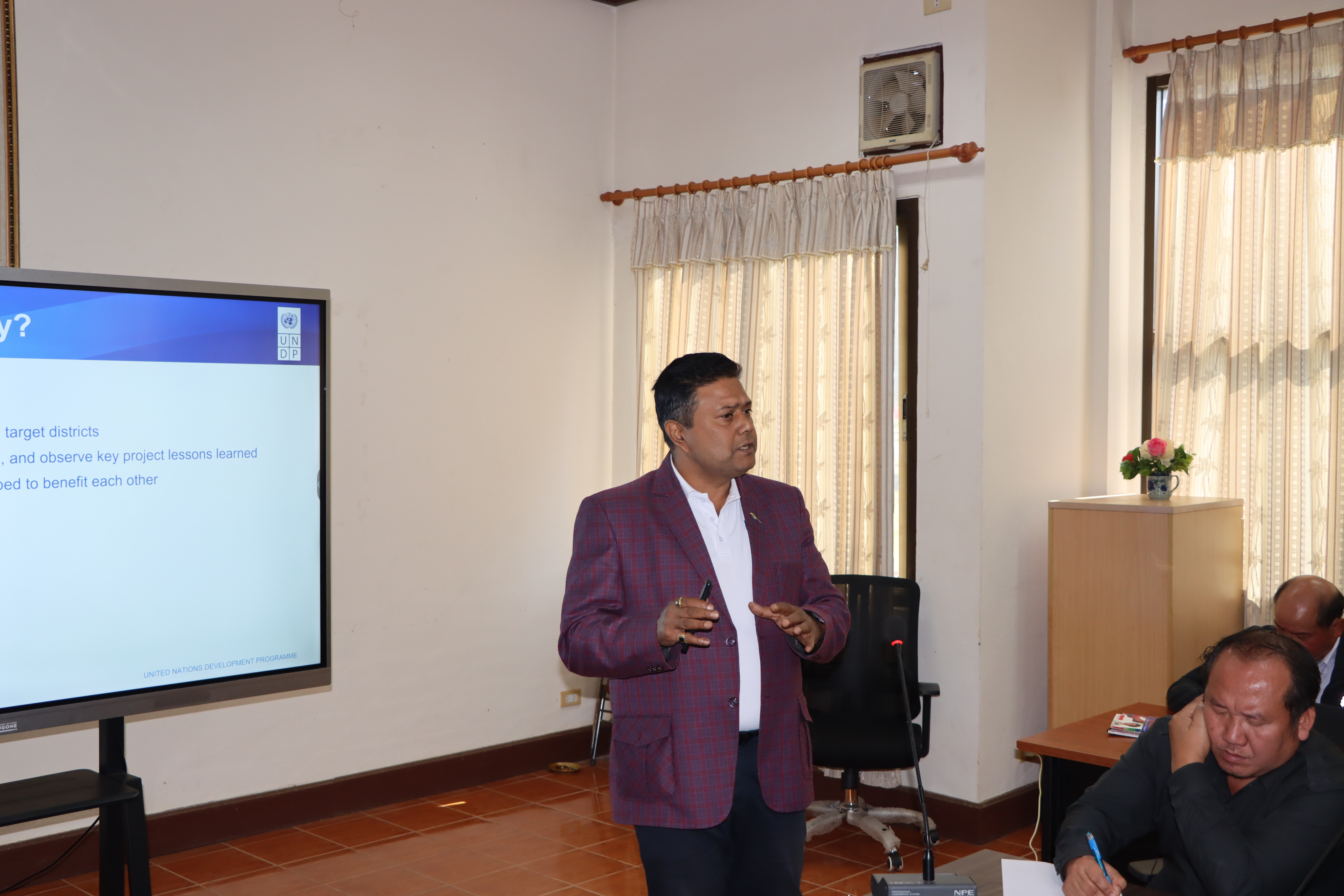
Hosted in Luang Prabang, the programme brought together representatives from local authorities, district and provincial offices, village development committees, technical teams from POAE and DOAE, and academic partners involved in the IWRM–EbA initiative. The six-day programme was designed to deepen technical understanding of ecosystem-based adaptation, enhance coordination among implementing agencies, and create opportunities to reflect on lessons learned from ongoing project activities in both provinces. Participants began the exchange with a series of technical sessions facilitated by DWR and UNDP specialists, covering topics such as climate vulnerability assessments, watershed and river basin management, implementation progress, and challenges encountered in field operations. The sessions encouraged open discussion on issues such as monitoring and data gaps, community engagement, and the need for more integrated planning across administrative levels.
A significant component of the programme was the sharing of experiences between Luang Prabang and Savannakhet. Village committees and district technical officers presented practical examples of how climate adaptation measures are being carried out on the ground, including the development of village-level water-use plans, forest restoration activities, community-led conservation efforts, and early warning practices. These exchanges enabled participants to understand the diversity of approaches applied at community level and to consider how traditional knowledge, scientific assessments, and local realities intersect in project implementation.
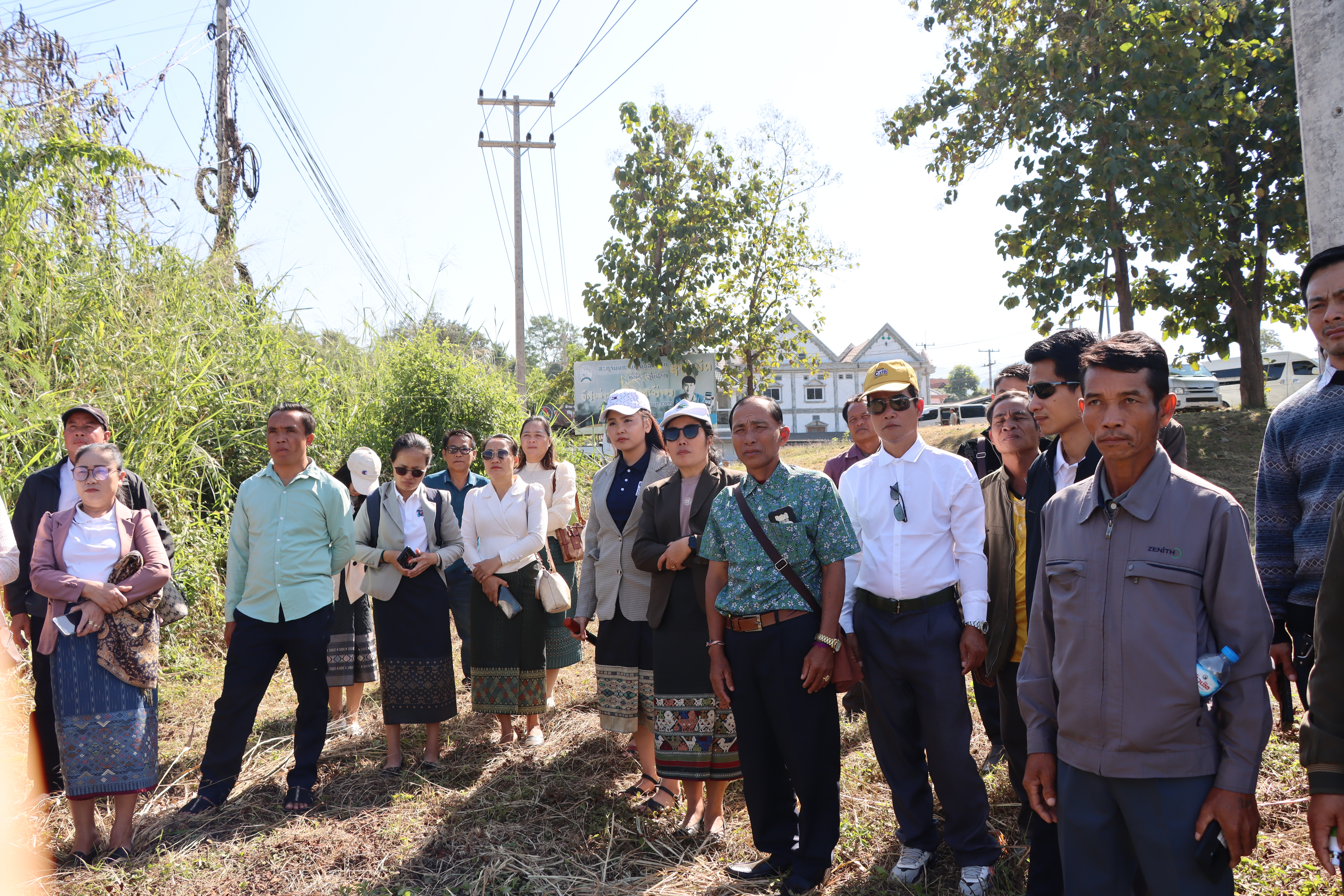
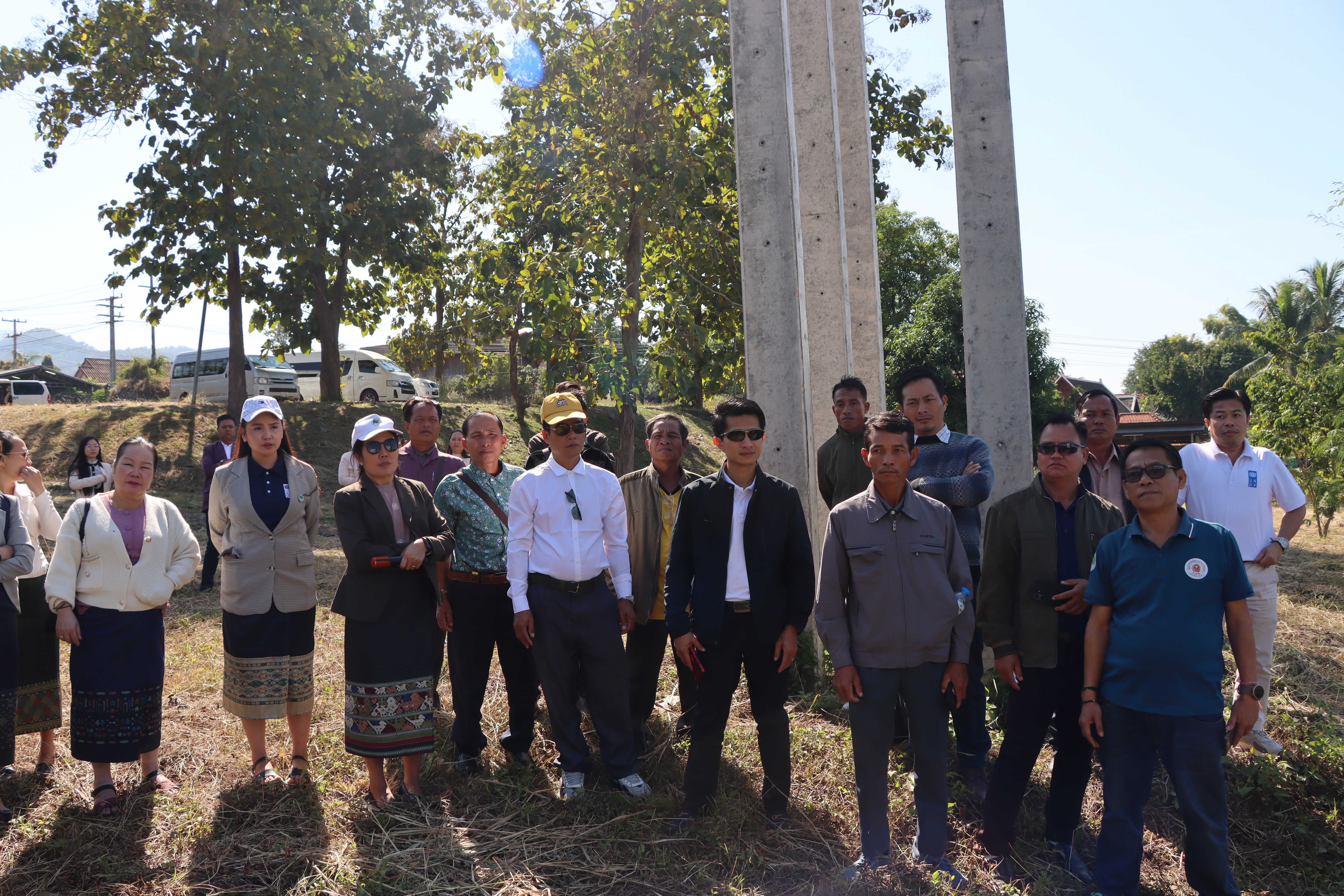
Field visits to selected IWRM–EbA project sites in Luang Prabang provided participants with the opportunity to observe firsthand a range of ecosystem-based interventions. These included protected upstream catchment areas, reforestation sites, community watershed management activities, sediment control structures, and climate-adaptive water systems. Discussions during the site visits focused on how these interventions contribute to improved watershed health, support long-term water security, and strengthen community resilience. Participants also explored how similar measures could be adapted or replicated in Savannakhet, taking into account differences in environmental conditions, land-use patterns, and community structures.
In addition to technical learning, the exchange emphasized the importance of strengthening inter-provincial cooperation and institutional collaboration. Provincial authorities, academic stakeholders, and community representatives agreed on the necessity of improving information sharing, aligning local and provincial development plans with climate adaptation strategies, and establishing sustained mechanisms for peer learning. As a result of the discussions, both provinces identified several follow-up actions, including enhancing monitoring systems for ecosystem conditions, integrating community-based practices into formal planning processes, and refining their respective implementation approaches to ensure more effective delivery of project outcomes.
The knowledge exchange is expected to yield long-term benefits for both Luang Prabang and Savannakhet. By facilitating dialogue, technical learning, and practical observation, the programme has strengthened the capacity of government officials, technical teams, and community partners to manage natural resources more effectively and respond to increasing climate pressures. The exchange also supports the broader objectives of the IWRM–EbA Project, which aims to safeguard vital ecosystems, promote sustainable water resource management, and enhance the resilience of local communities to floods, droughts, and environmental change. Through this collaborative effort, both provinces demonstrated their shared commitment to advancing climate-resilient development and ensuring the sustainability of natural resources for future generations.
Contact for Further Information:
For media inquiries, please contact:
Phouphet Chittaphone, Database and Communication Officer, IWRM-EbA Project
Department of Water Resources, Ministry of Agriculture and Environment
Email: [email protected] Tel: +8562058562532

Latest Highlights
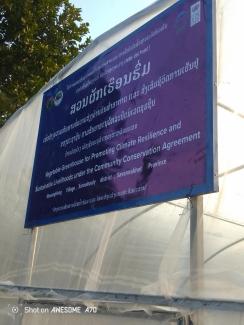
The IWRM–EbA Project, supported by the Global Environment Facility (GEF) and implemented with technical and financial assistance from UNDP, has introduced greenhouses, farming equipment, and technical training in Muang Hong Village, Chonburi District. Through the Community Ecosystem Conservation Agreement (CCA), this initiative enhances climate resilience, promotes sustainable agriculture, restores ecosystems
ໂຄງການ IWRM–EbA ແມ່ນໄດ້ຮັບການສະໜັບສະໜູນຈາກ ກອງທຶນສິ່ງແວດລ້ອມໂລກ (GEF) ແລະ ຈັດຕັ້ງປະຕິບັດດ້ວຍການຊ່ວຍເຫຼືອດ້ານເຕັກນິກ ແລະ ການເງິນຈາກ UNDP, ໄດ້ນຳເອົາ ເຮືອນຮົ່ມ, ອຸປະກອນເຮັດກະສິກຳ ແລະ ການຝຶກອົບຮົມດ້ານເຕັກນິກ ມາສູ່ບ້ານເມືອງໂຮງ ເມືອງຊົນນະບູລີ. ຜ່ານຂໍ້ຕົກລົງ ການສົ່ງເສີມສັນຍາອະນຸລັກຊຸມຊົນ (CCA), ໂຄງການນີ້ໄດ້ຊ່ວຍໃຫ້ ກະສິກຳທົນທານຕໍ່ສະພາບອາກາດໄດ້ດີຂຶ້ນ, ສົ່ງເສີມການເຮັດນາ-ສວນແບບຍືນຍົງ, ຟື້ນຟູລະບົບນິເວດ ແລະ ປັບປຸງຊີວິດການເປັນຢູ່ ຂອງຊຸມຊົນທ້ອງຖິ່ນໃຫ້ດີຂຶ້ນ.
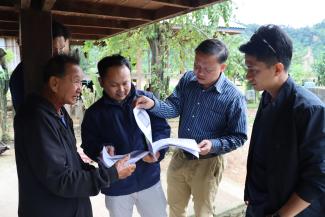
The Integrated Water Resources Management and Ecosystem-based Adaptation (IWRM–EbA) project carried out a field mission from 3–8 November 2025 in Savannakhet Province to monitor target sites and consult with local communities on the planned construction of small-scale protective infrastructure. The activity aims to reduce flood and drought risks, strengthen ecosystem
ໂຄງການຄຸ້ມຄອງຊັບພະຍາກອນນ້ຳແບບເຊື່ອມສານ ແລະ ການປັບຕົວພື້ນຖານລະບົບນິເວດ (IWRM–EbA) ໄດ້ປະຕິບັດພາລະກິດພາກສະໜາມແຕ່ວັນທີ 3–8 ພະຈິກ 2025 ທີ່ແຂວງສະຫວັນນະເຂດ ເພື່ອຕິດຕາມກວດກາສະຖານທີ່ເປົ້າໝາຍ ແລະ ປຶກສາຫາລືກັບຊຸມຊົນທ້ອງຖິ່ນກ່ຽວກັບການວາງແຜນການກໍ່ສ້າງພື້ນຖານໂຄງລ່າງປ້ອງກັນຂະໜາດນ້ອຍ. ກິດຈະກຳດັ່ງກ່າວມີຈຸດປະສົງເພື່ອຫຼຸດຜ່ອນຄວາມສ່ຽງຈາກໄພນ້ຳຖ້ວມ ແລະ ໄພແຫ້ງແລ້ງ, ເສີມສ້າງຄວາມທົນທານຂອງລະບົບນິເວດ ແລະ ຮັບປະກັນການມີສ່ວນຮ່ວມຂອງຊຸມຊົນຢ່າງເຕັມທີ່ໃນໄລຍະການກໍ່ສ້າງ.