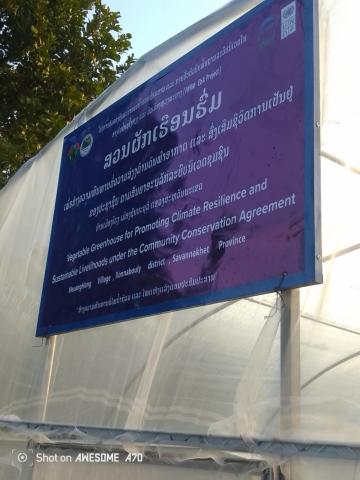
IWRM–EbA Project Strengthens Livelihoods and Ecosystem Resilience through Greenhouse Farming in Muang Hong Village
To address these challenges, Muang Hong Village partnered with the Integrated Water Resources Management and Ecosystem-based Adaptation (IWRM–EbA) Project under the Community Ecosystem Conservation Agreement (CCA). This project, supported by the Global Environment Facility (GEF) and implemented with technical and financial assistance from UNDP, focuses on strengthening livelihoods, restoring ecosystems, and promoting climate-resilient agricultural practices.
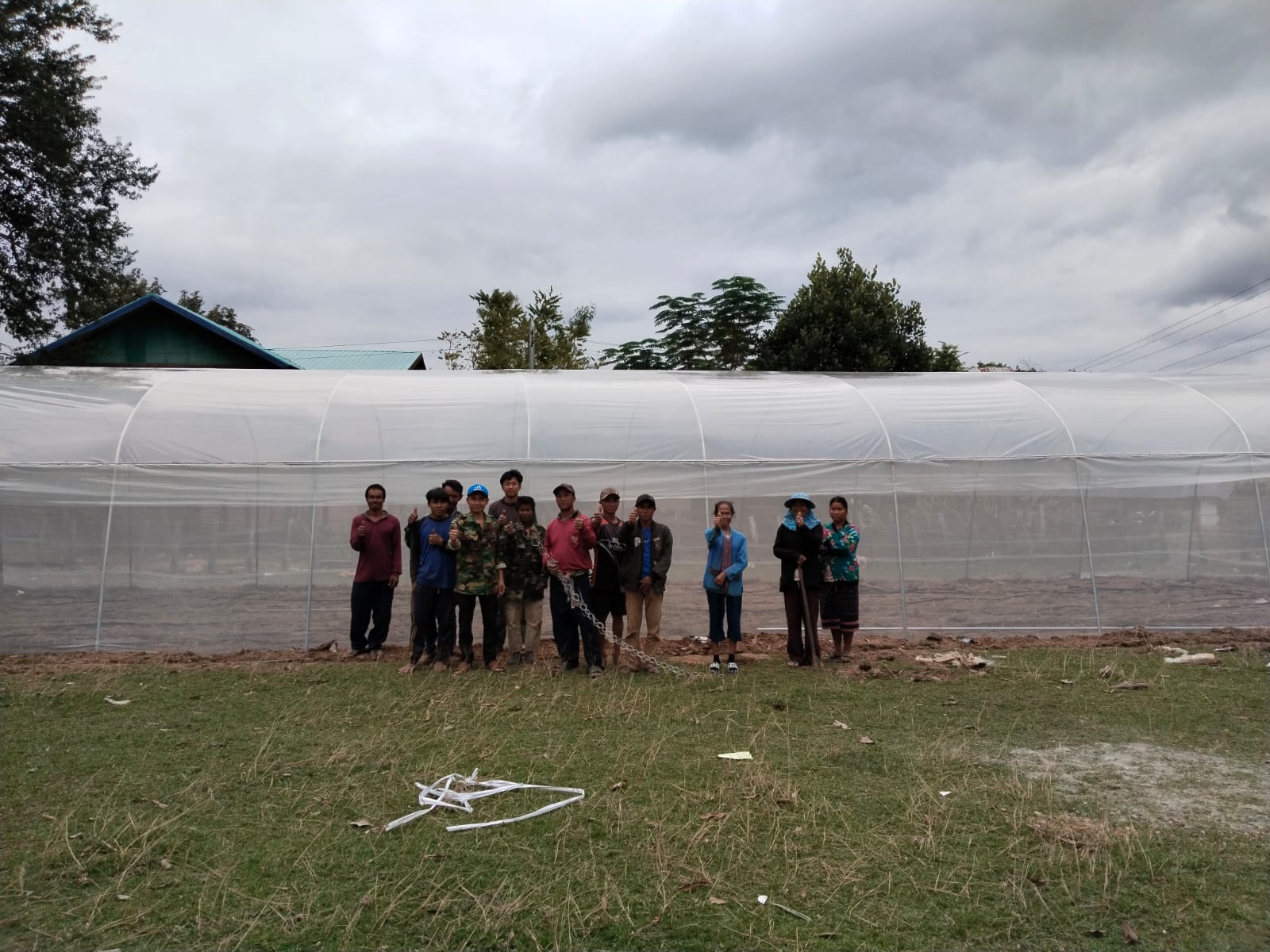
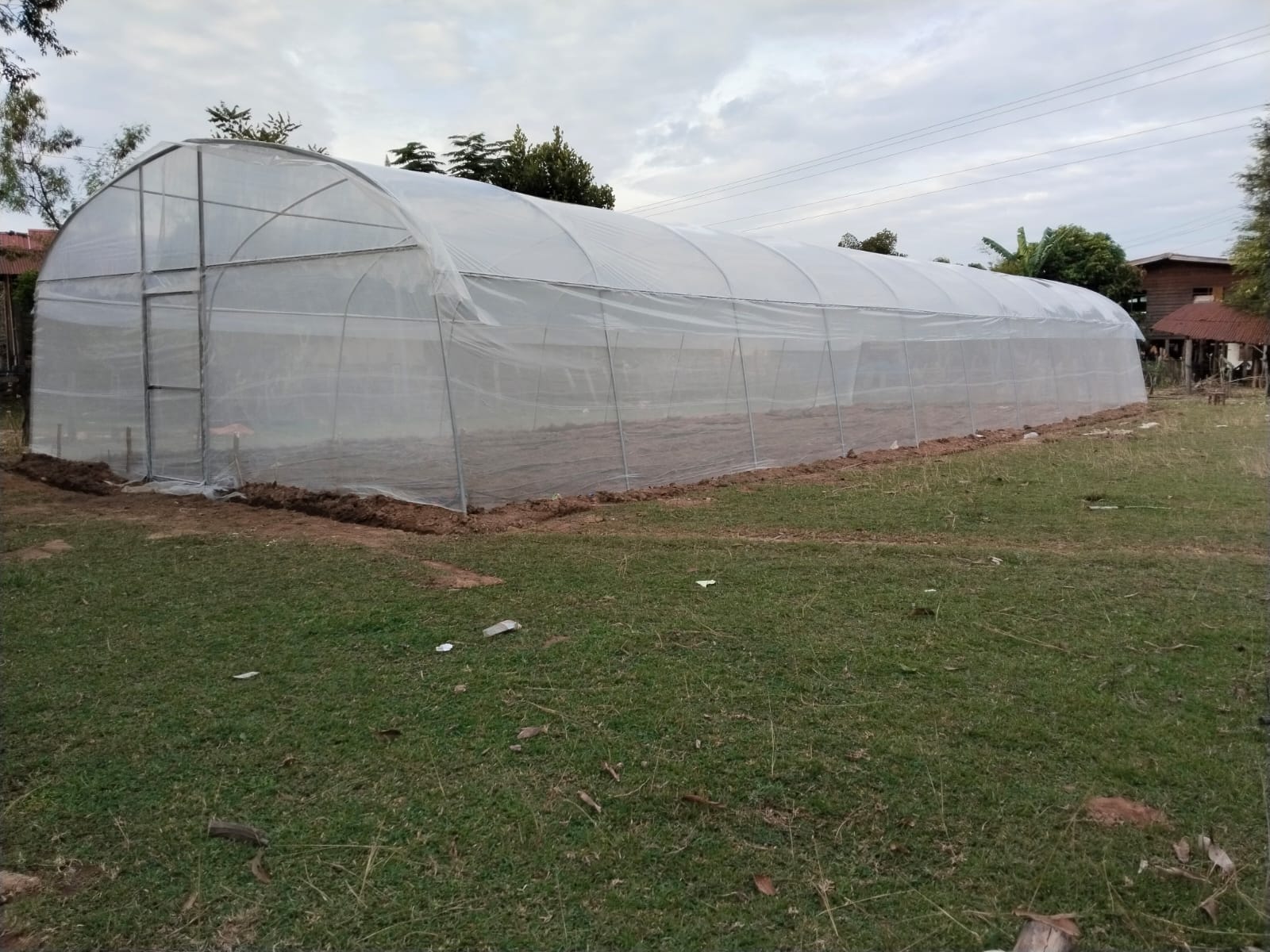
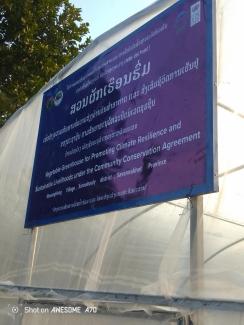
As part of this initiative, the project constructed two fully equipped greenhouses in Muang Hong Village to enable year-round organic vegetable production. The greenhouses protect crops from extreme weather, improve productivity, and reduce reliance on chemical inputs. Each greenhouse was provided with irrigation systems, soil preparation tools, and essential cultivation equipment to ensure sustainable and climate-resilient farming. In parallel with the greenhouse construction, the project facilitated the formation of a village-based organic vegetable farming group. This group is responsible for the management and maintenance of the greenhouses, implementing production schedules, and ensuring equitable access to resources. By establishing clear internal regulations and shared responsibilities, the initiative promotes transparency, cooperation, and long-term community ownership.
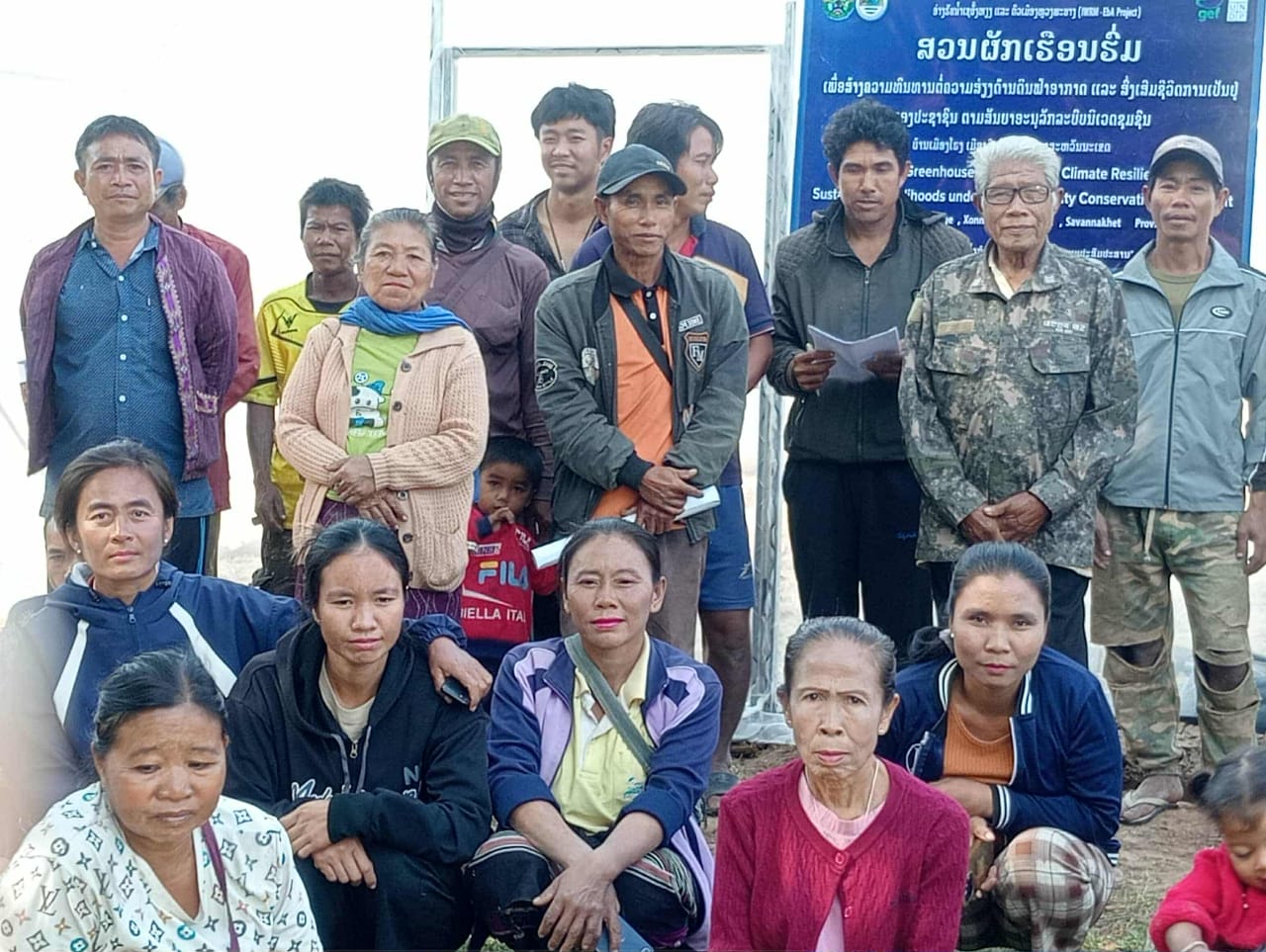
The IWRM–EbA Project also delivered comprehensive technical training on greenhouse cultivation. Villagers received hands-on guidance on soil preparation, pest and disease management, climate-smart irrigation techniques, and organic vegetable farming practices. These skills not only improve crop yields but also enhance the community’s resilience to climate variability. Women and youth, in particular, have been actively engaged in the training, opening new opportunities for income generation and participation in local decision-making. Beyond improving livelihoods, the greenhouse initiative contributes to ecosystem restoration and sustainable resource management. By reducing pressure on surrounding forests and improving water use efficiency, the project helps restore ecological balance while supporting the sustainable management of land and water resources in the area.
Representatives from the Department of Water Resources emphasized that the intervention demonstrates how livelihood improvement and ecosystem conservation can be integrated effectively. UNDP highlighted that the project’s participatory approach ensures that communities are empowered to manage their natural resources sustainably while benefiting from improved agricultural productivity and income. The activities in Muang Hong Village serve as a model for other communities in Chonburi District, illustrating how greenhouses combined with ecosystem-based adaptation measures can improve climate resilience, protect natural resources, and strengthen livelihoods. With ongoing support from GEF and UNDP, the IWRM–EbA Project continues to promote sustainable development through community-led, environmentally sound, and climate-resilient interventions that benefit both people and nature.
Contact for Further Information:
For media inquiries, please contact:
Phouphet Chittaphone, Database and Communication Officer, IWRM-EbA Project
Department of Water Resources, Ministry of Agriculture and Environment
Email: [email protected] Tel: +8562058562532
Latest Highlights
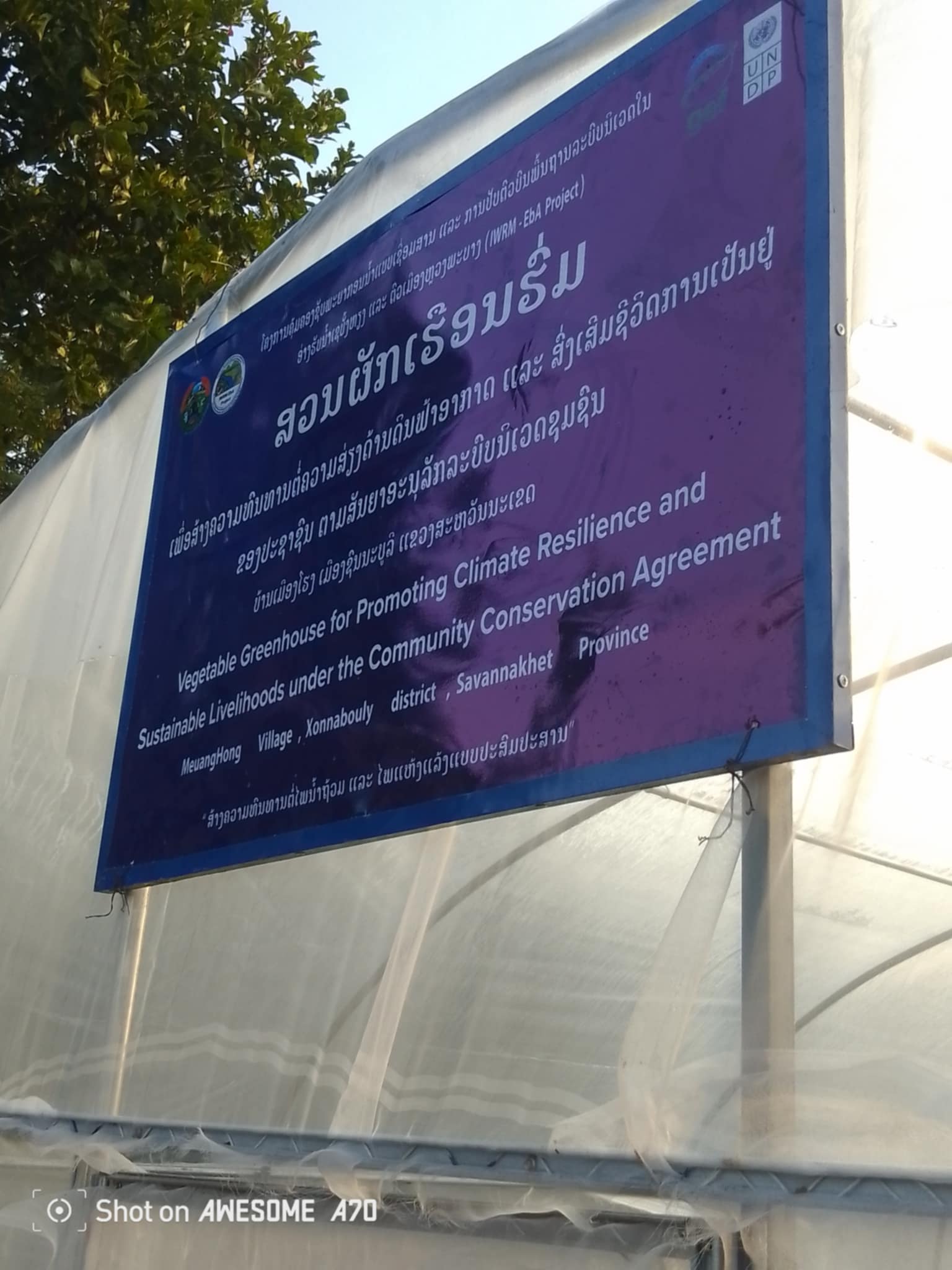
The IWRM–EbA Project, supported by the Global Environment Facility (GEF) and implemented with technical and financial assistance from UNDP, has introduced greenhouses, farming equipment, and technical training in Muang Hong Village, Chonburi District. Through the Community Ecosystem Conservation Agreement (CCA), this initiative enhances climate resilience, promotes sustainable agriculture, restores ecosystems
ໂຄງການ IWRM–EbA ແມ່ນໄດ້ຮັບການສະໜັບສະໜູນຈາກ ກອງທຶນສິ່ງແວດລ້ອມໂລກ (GEF) ແລະ ຈັດຕັ້ງປະຕິບັດດ້ວຍການຊ່ວຍເຫຼືອດ້ານເຕັກນິກ ແລະ ການເງິນຈາກ UNDP, ໄດ້ນຳເອົາ ເຮືອນຮົ່ມ, ອຸປະກອນເຮັດກະສິກຳ ແລະ ການຝຶກອົບຮົມດ້ານເຕັກນິກ ມາສູ່ບ້ານເມືອງໂຮງ ເມືອງຊົນນະບູລີ. ຜ່ານຂໍ້ຕົກລົງ ການສົ່ງເສີມສັນຍາອະນຸລັກຊຸມຊົນ (CCA), ໂຄງການນີ້ໄດ້ຊ່ວຍໃຫ້ ກະສິກຳທົນທານຕໍ່ສະພາບອາກາດໄດ້ດີຂຶ້ນ, ສົ່ງເສີມການເຮັດນາ-ສວນແບບຍືນຍົງ, ຟື້ນຟູລະບົບນິເວດ ແລະ ປັບປຸງຊີວິດການເປັນຢູ່ ຂອງຊຸມຊົນທ້ອງຖິ່ນໃຫ້ດີຂຶ້ນ.
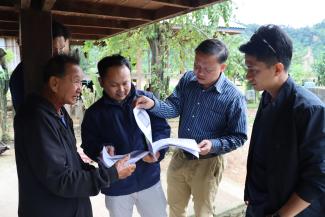
The Integrated Water Resources Management and Ecosystem-based Adaptation (IWRM–EbA) project carried out a field mission from 3–8 November 2025 in Savannakhet Province to monitor target sites and consult with local communities on the planned construction of small-scale protective infrastructure. The activity aims to reduce flood and drought risks, strengthen ecosystem
ໂຄງການຄຸ້ມຄອງຊັບພະຍາກອນນ້ຳແບບເຊື່ອມສານ ແລະ ການປັບຕົວພື້ນຖານລະບົບນິເວດ (IWRM–EbA) ໄດ້ປະຕິບັດພາລະກິດພາກສະໜາມແຕ່ວັນທີ 3–8 ພະຈິກ 2025 ທີ່ແຂວງສະຫວັນນະເຂດ ເພື່ອຕິດຕາມກວດກາສະຖານທີ່ເປົ້າໝາຍ ແລະ ປຶກສາຫາລືກັບຊຸມຊົນທ້ອງຖິ່ນກ່ຽວກັບການວາງແຜນການກໍ່ສ້າງພື້ນຖານໂຄງລ່າງປ້ອງກັນຂະໜາດນ້ອຍ. ກິດຈະກຳດັ່ງກ່າວມີຈຸດປະສົງເພື່ອຫຼຸດຜ່ອນຄວາມສ່ຽງຈາກໄພນ້ຳຖ້ວມ ແລະ ໄພແຫ້ງແລ້ງ, ເສີມສ້າງຄວາມທົນທານຂອງລະບົບນິເວດ ແລະ ຮັບປະກັນການມີສ່ວນຮ່ວມຂອງຊຸມຊົນຢ່າງເຕັມທີ່ໃນໄລຍະການກໍ່ສ້າງ.