
IWRM-EbA Project Training to Strengthen Climate Resilience Through Digital and Financial Management
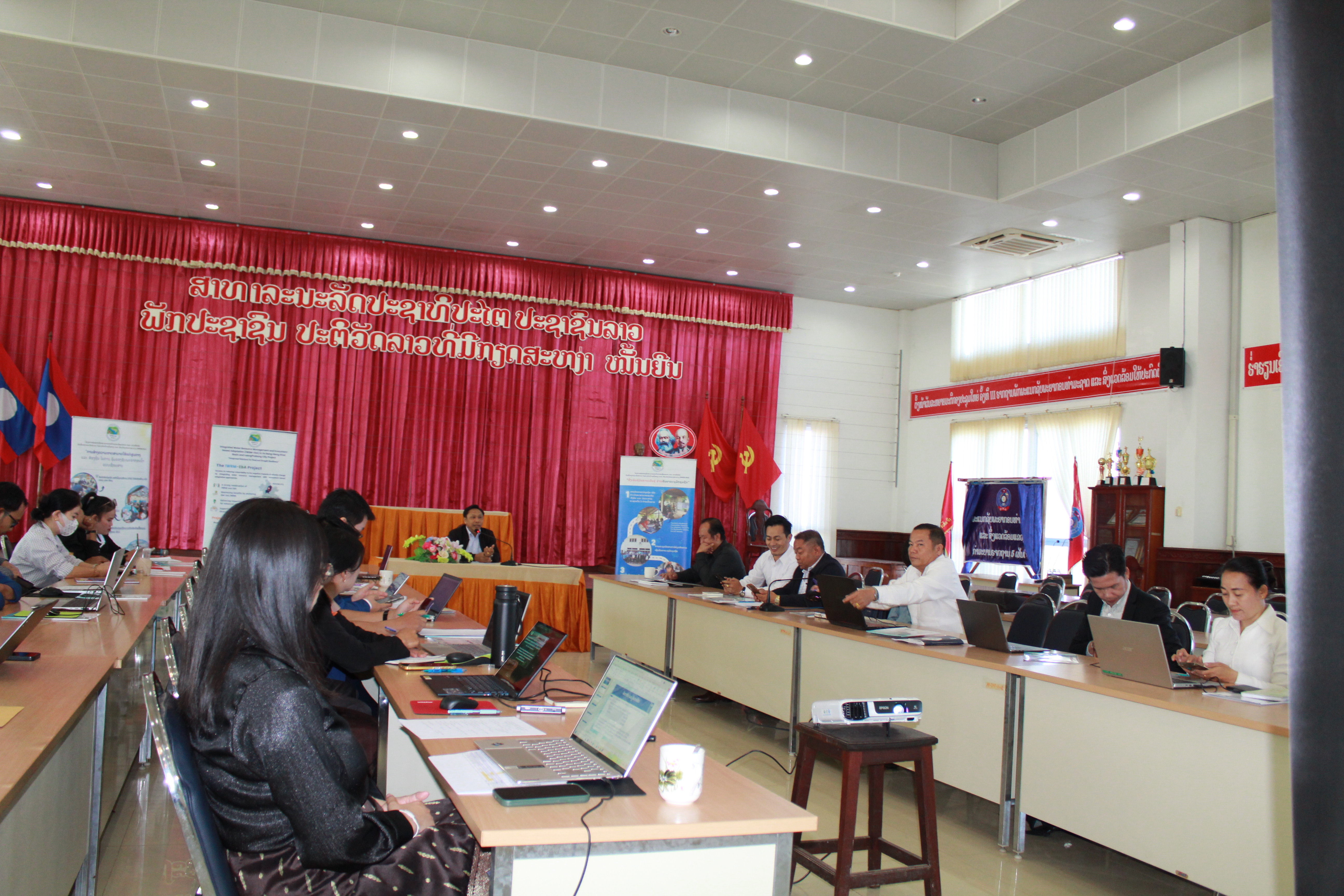
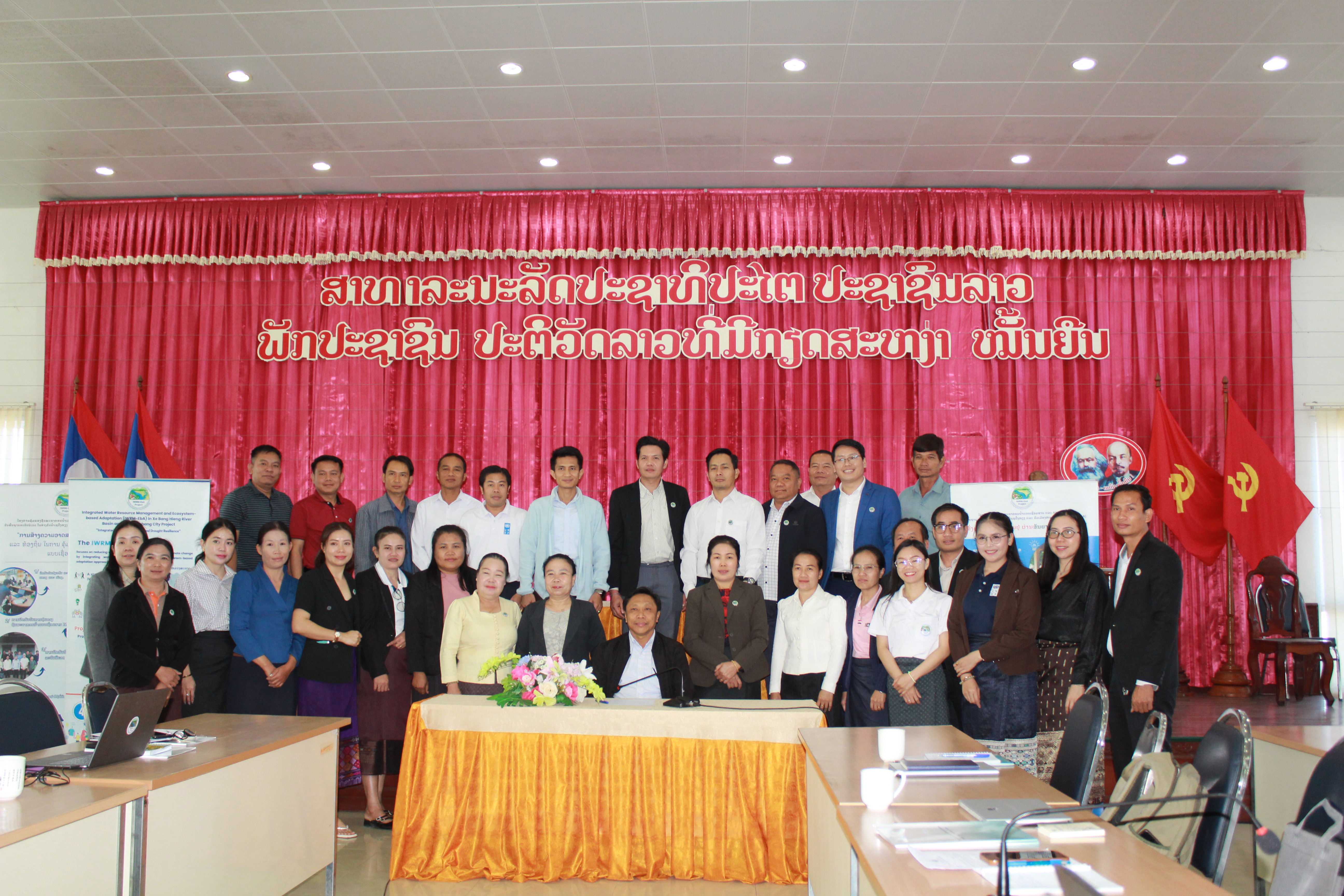
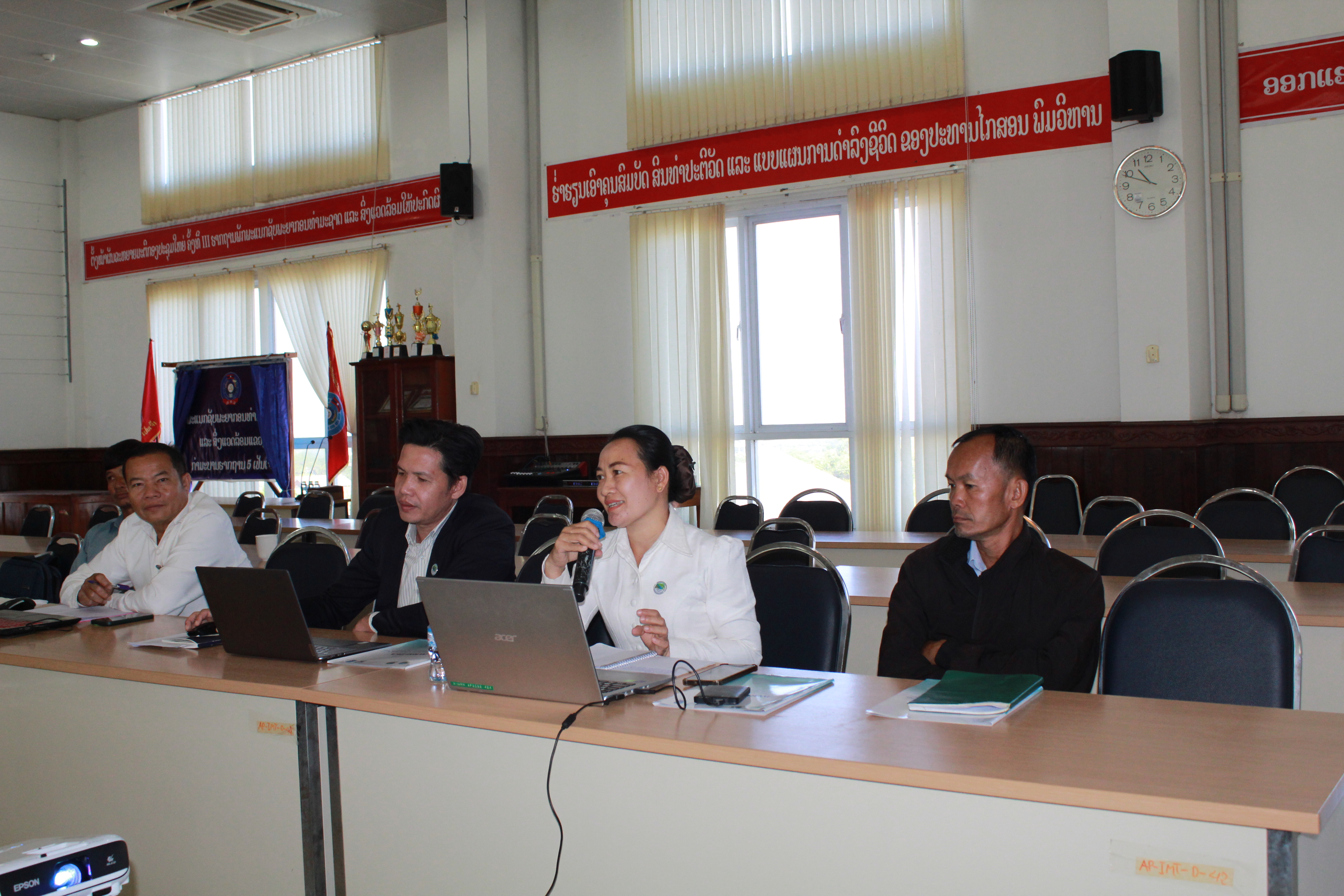
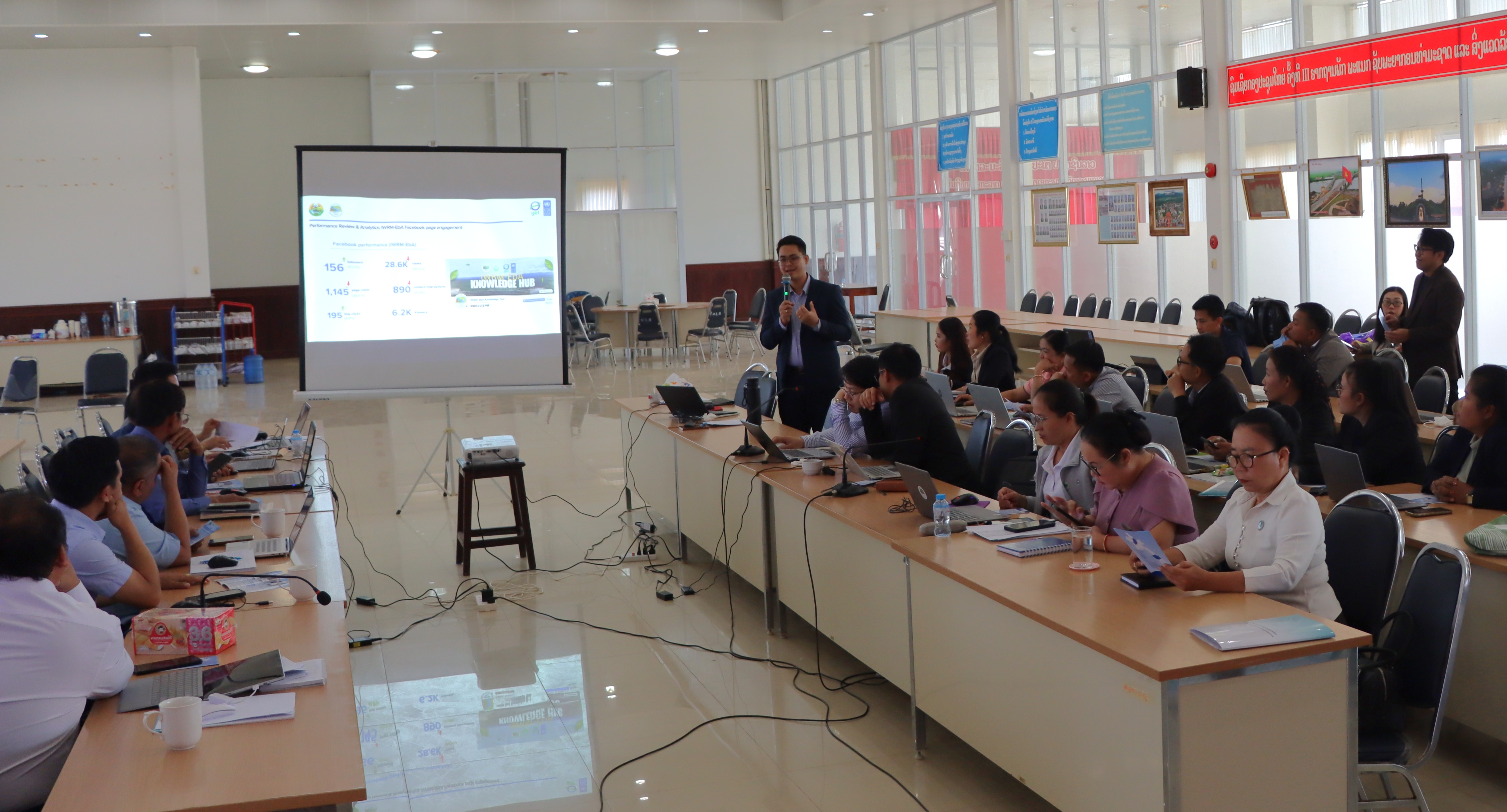
The training conducted in Savannakhet aimed to equip provincial and district personnel with the skills necessary to operate, maintain, and troubleshoot the project’s database and portal, ensuring accurate data management and reporting. At the same time, district-level staff received practical training in financial management, covering budgeting, record-keeping, reporting, and compliance with national rules and regulations. The integration of technical and financial training emphasized the connection between accurate data management and effective financial accountability, fostering local ownership and sustainability of project interventions beyond the scheduled project closure in November 2026. During the five-day training, participants engaged in hands-on exercises to learn data entry, validation, report generation, and basic system maintenance for the project database and portal. They also practiced applying financial procedures in their daily operations, ensuring that project resources are managed transparently and in compliance with national financial regulations. The training provided an opportunity for district personnel to understand how technical data management and financial accountability are interlinked and how they together contribute to the success of climate adaptation interventions.
By the conclusion of the training, provincial and district personnel were equipped to manage project databases, portals, and financial operations independently. Participants gained the ability to maintain accurate data records, apply financial rules effectively, and guide colleagues in sustaining project practices. Manuals and guidelines distributed during the training support continued operations and ensure adherence to financial procedures. Ultimately, the activity strengthened the capacity of district offices to manage climate adaptation interventions, ensuring the long-term sustainability and institutionalization of project tools and practices.
The training represents a critical step toward institutionalizing climate adaptation practices at the local level in Lao PDR. By equipping local personnel with both technical and financial skills, the IWRM–EbA Project ensures that district offices can independently manage water and ecosystem resources, sustain climate resilience initiatives, and continue delivering benefits to local communities in the face of climate risks.
Latest Highlights
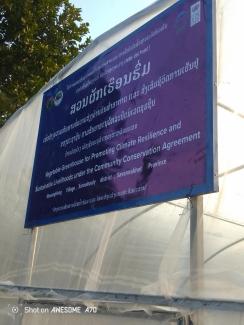
The IWRM–EbA Project, supported by the Global Environment Facility (GEF) and implemented with technical and financial assistance from UNDP, has introduced greenhouses, farming equipment, and technical training in Muang Hong Village, Chonburi District. Through the Community Ecosystem Conservation Agreement (CCA), this initiative enhances climate resilience, promotes sustainable agriculture, restores ecosystems
ໂຄງການ IWRM–EbA ແມ່ນໄດ້ຮັບການສະໜັບສະໜູນຈາກ ກອງທຶນສິ່ງແວດລ້ອມໂລກ (GEF) ແລະ ຈັດຕັ້ງປະຕິບັດດ້ວຍການຊ່ວຍເຫຼືອດ້ານເຕັກນິກ ແລະ ການເງິນຈາກ UNDP, ໄດ້ນຳເອົາ ເຮືອນຮົ່ມ, ອຸປະກອນເຮັດກະສິກຳ ແລະ ການຝຶກອົບຮົມດ້ານເຕັກນິກ ມາສູ່ບ້ານເມືອງໂຮງ ເມືອງຊົນນະບູລີ. ຜ່ານຂໍ້ຕົກລົງ ການສົ່ງເສີມສັນຍາອະນຸລັກຊຸມຊົນ (CCA), ໂຄງການນີ້ໄດ້ຊ່ວຍໃຫ້ ກະສິກຳທົນທານຕໍ່ສະພາບອາກາດໄດ້ດີຂຶ້ນ, ສົ່ງເສີມການເຮັດນາ-ສວນແບບຍືນຍົງ, ຟື້ນຟູລະບົບນິເວດ ແລະ ປັບປຸງຊີວິດການເປັນຢູ່ ຂອງຊຸມຊົນທ້ອງຖິ່ນໃຫ້ດີຂຶ້ນ.
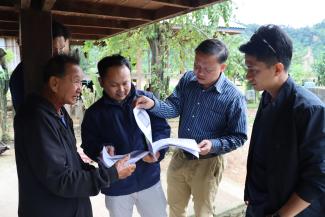
The Integrated Water Resources Management and Ecosystem-based Adaptation (IWRM–EbA) project carried out a field mission from 3–8 November 2025 in Savannakhet Province to monitor target sites and consult with local communities on the planned construction of small-scale protective infrastructure. The activity aims to reduce flood and drought risks, strengthen ecosystem
ໂຄງການຄຸ້ມຄອງຊັບພະຍາກອນນ້ຳແບບເຊື່ອມສານ ແລະ ການປັບຕົວພື້ນຖານລະບົບນິເວດ (IWRM–EbA) ໄດ້ປະຕິບັດພາລະກິດພາກສະໜາມແຕ່ວັນທີ 3–8 ພະຈິກ 2025 ທີ່ແຂວງສະຫວັນນະເຂດ ເພື່ອຕິດຕາມກວດກາສະຖານທີ່ເປົ້າໝາຍ ແລະ ປຶກສາຫາລືກັບຊຸມຊົນທ້ອງຖິ່ນກ່ຽວກັບການວາງແຜນການກໍ່ສ້າງພື້ນຖານໂຄງລ່າງປ້ອງກັນຂະໜາດນ້ອຍ. ກິດຈະກຳດັ່ງກ່າວມີຈຸດປະສົງເພື່ອຫຼຸດຜ່ອນຄວາມສ່ຽງຈາກໄພນ້ຳຖ້ວມ ແລະ ໄພແຫ້ງແລ້ງ, ເສີມສ້າງຄວາມທົນທານຂອງລະບົບນິເວດ ແລະ ຮັບປະກັນການມີສ່ວນຮ່ວມຂອງຊຸມຊົນຢ່າງເຕັມທີ່ໃນໄລຍະການກໍ່ສ້າງ.