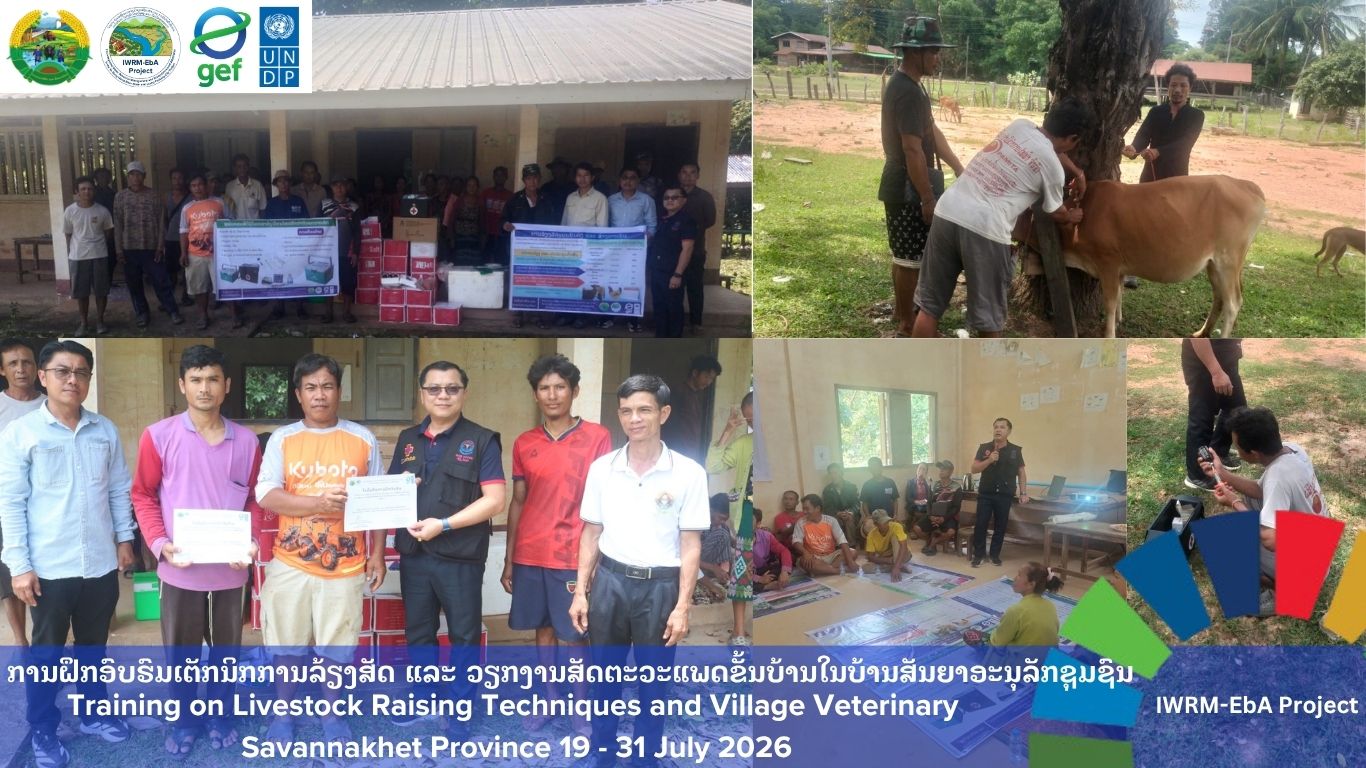
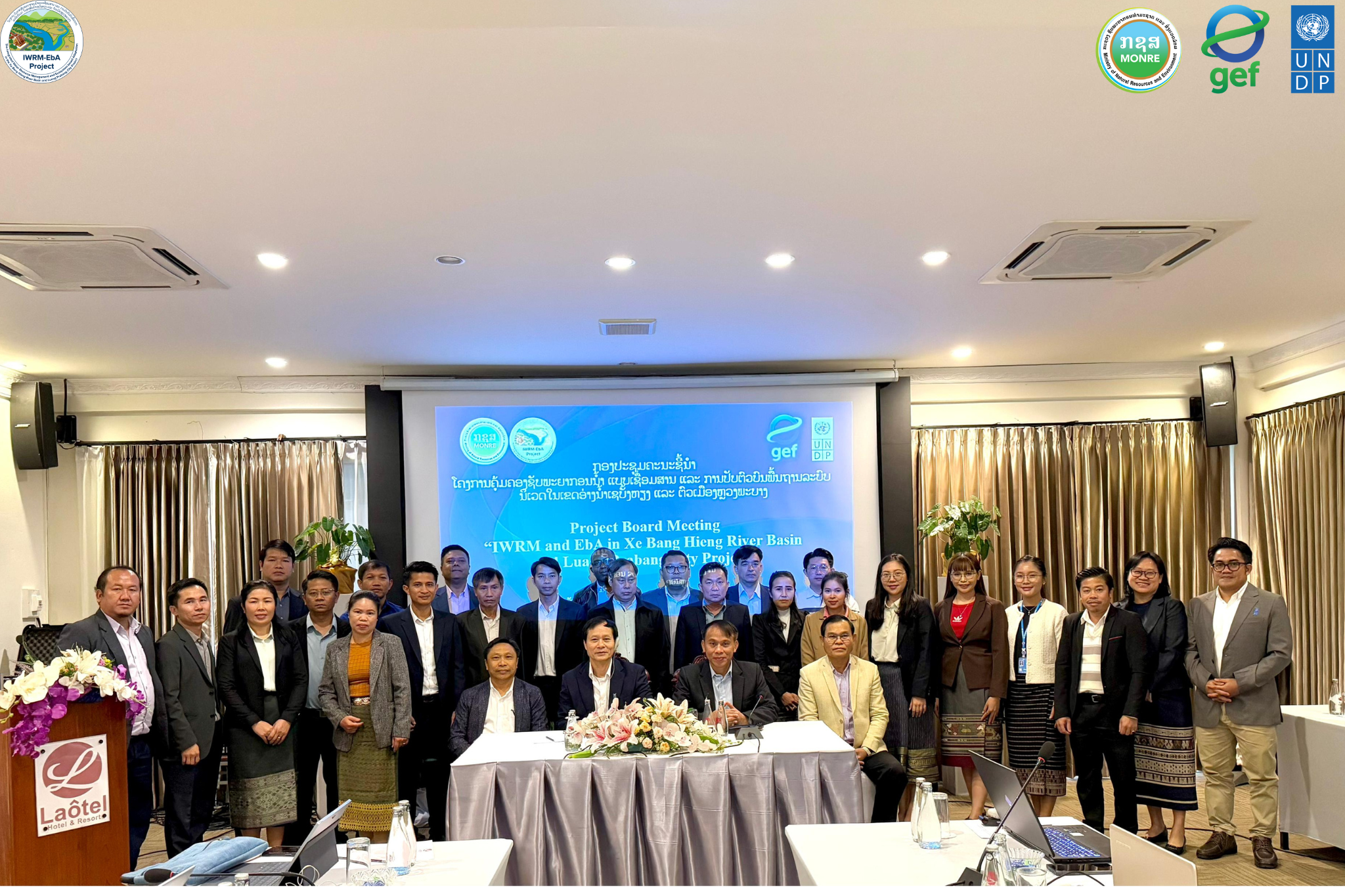
The project focuses on enhancing community resilience and sustainable management of natural resources in Lao PDR through Ecosystem-based Adaptation (EbA) practices. Key activities include organizing an inception workshop within 60 days of GEF CEO endorsement to align stakeholders and finalize project plans. Following this, a series of capacity-building training sessions will be conducted for local authorities and communities to strengthen their knowledge of Integrated Coastal Management (ICM) and EbA practices. Additionally, the project will implement ecosystem interventions such as reforestation and wetland restoration to improve environmental resilience. Regular monitoring and evaluation will be conducted to track progress and ensure project objectives are met. Throughout the project, ongoing stakeholder engagement will ensure inclusive participation and integration of local perspectives into all activities, promoting long-term sustainability and successful implementation.

The Integrated Water Resources Management and Ecosystems-Based Adaptation (IWRM-EbA) Project is a collaborative initiative led by UNDP Lao PDR in partnership with the Ministry of Natural Resources and Environment (MONRE). The project aims to enhance climate resilience and promote the sustainable management of land and water resources in two highly

เป‚เบ„เบ‡เบเบฒเบ™เป„เบ”เป‰เบกเบตเบเบฒเบ™เบˆเบฑเบ”เบ•เบฑเป‰เบ‡เบ›เบฐเบ•เบดเบšเบฑเบ”เบขเบนเปˆเปƒเบ™ 2เปเบ‚เบงเบ‡เป€เบ›เบปเป‰เบฒเบซเบกเบฒเบเบ„เบท: เปเบ‚เบงเบ‡เบชเบฐเบซเบงเบฑเบ™เบ™เบฐเป€เบ‚เบ” เปเบฅเบฐ เบ•เบปเบงเป€เบกเบทเบญเบ‡เบซเบฅเบงเบ‡เบžเบฐเบšเบฒเบ‡. เบชเบณเบฅเบฑเบšเปเบ‚เบงเบ‡เบชเบฐเบซเบงเบฑเบ™เบ™เบฐเป€เบ‚เบ” เป‚เบ„เบ‡เบเบฒเบ™เป„เบ”เป‰เบˆเบฑเบ”เบ•เบฑเป‰เบ‡เบ›เบฐเบ•เบดเบšเบฑเบ”เปƒเบ™เป€เบ‚เบ”เบญเปˆเบฒเบ‡เบฎเบฑเบšเบ™เปเป‰เบฒเป€เบŠเบšเบฑเป‰เบ‡เบซเบฝเบ‡เป‚เบ”เบเบ›เบฐเบเบญเบšเบกเบตเปˆ 5 เบ•เบปเบงเป€เบกเบทเบญเบ‡เป€เบ›เบปเป‰เบฒเบซเบกเบฒเบเบ„เบท: เป€เบกเบทเบญเบ‡เบชเบญเบ‡เบ„เบญเบ™, เบˆเปเบฒเบžเบญเบ™, เบŠเบปเบ™เบ™เบฐเบšเบนเบฅเบต, เป€เบŠเป‚เบ›เบ™ เปเบฅเบฐ เป€เบกเบทเบญเบ‡เบ™เบญเบ‡ เป€เบŠเบดเปˆเบ‡เปเบ•เปˆเบฅเบฐเป€เบกเบทเบญเบ‡เบˆเบฐเบ›เบฐเบเบญเบšเบกเบต 3 เบšเป‰เบฒเบ™เป€เบ›เบปเป‰เบฒเบซเบกเบฒเบ. เบชเปเบฒเบฅเบฑเบšเปเบ‚เบงเบ‡เบซเบฅเบงเบ‡เบžเบฐเบšเบฒเบ‡เปเบกเปˆเบ™เบเปเบฒเบ™เบปเบ”เป€เบญเบปเบฒเบ•เบปเบงเบ™เบฐเบ„เบญเบ™เบซเบฅเบงเบ‡เบžเบฐเบšเบฒเบ‡เป€เบ›เบฑเบ™เป€เบ‚เบ”เป€เบ›เบปเป‰เบฒเบซเบกเบฒเบเปƒเบ™เบเบฒเบ™เบˆเบฑเบ”เบ•เบฑเป‰เบ‡เบ›เบฐเบ•เบดเบšเบฑเบ”เป‚เบ”เบเบ›เบฐเบเบญเบšเบกเบต 5 เบซเบกเบนเปˆเบšเป‰เบฒเบ™เบ‚เบญเบ‡เป‚เบ„เบ‡เบเบฒเบ™

เป‚เบ„เบ‡เบเบฒเบ™เบ„เบธเป‰เบกเบ„เบญเบ‡เบŠเบฑเบšเบžเบฐเบเบฒเบเบญเบ™เบ™เป‰เบณเปเบšเบšเป€เบŠเบทเปˆเบญเบกเบชเบฒเบ™ เปเบฅเบฐ เบเบฒเบ™เบ›เบฑเบšเบ•เบปเบงเบšเบปเบ™เบžเบทเป‰เบ™เบ–เบฒเบ™เบฅเบฐเบšเบปเบšเบ™เบดเป€เบงเบ” (IWRM-EbA) เปเบกเปˆเบ™เบเบฒเบ™เบฅเบดเป€เบฅเบตเปˆเบกเบฎเปˆเบงเบกเบกเบทเป‚เบ”เบ UNDP เบช.เบ›.เบ›. เบฅเบฒเบง เบฎเปˆเบงเบกเบเบฑเบšเบเบฐเบŠเบงเบ‡เบเบฐเบชเบดเบเบณ เปเบฅเบฐ เบชเบดเปˆเบ‡เปเบงเบ”เบฅเป‰เบญเบก (MAE). เป‚เบ„เบ‡เบเบฒเบ™เปเบกเปˆเบ™เป„เบ”เป‰เบชเบธเบกเปƒเบชเปˆเบเบฒเบ™เป€เบชเบตเบกเบ‚เบฐเบซเบเบฒเบเบ„เบงเบฒเบกเบ—เบปเบ™เบ—เบฒเบ™เบ•เปเปˆเบชเบฐเบžเบฒเบšเบญเบฒเบเบฒเบ” เปเบฅเบฐ เบชเบปเปˆเบ‡เป€เบชเบตเบกเบเบฒเบ™เบ„เบธเป‰เบกเบ„เบญเบ‡เบŠเบฑเบšเบžเบฐเบเบฒเบเบญเบ™เบ—เบตเปˆเบ”เบดเบ™ เปเบฅเบฐ เบ™เป‰เบณเปเบšเบšเบเบทเบ™เบเบปเบ‡เปƒเบ™เบญเปˆเบฒเบ‡เบฎเบฑเบšเบ™เป‰เบณเป€เบŠเบšเบฑเป‰เบ‡เบซเบฝเบ‡ เปเบฅเบฐ เบ•เบปเบงเป€เบกเบทเบญเบ‡เบซเบผเบงเบ‡เบžเบฐเบšเบฒเบ‡, เบชเบญเบ‡เบžเบฒเบเบžเบทเป‰เบ™เบ—เบตเปˆเบกเบตเบ„เบงเบฒเบกเบชเปˆเบฝเบ‡เบชเบนเบ‡เบ•เปเปˆเบœเบปเบ™เบเบฐเบ—เบปเบšเบ‚เบญเบ‡เบเบฒเบ™เบ›เปˆเบฝเบ™เปเบ›เบ‡เบชเบฐเบžเบฒเบšเบญเบฒเบเบฒเบ”. เป‚เบ”เบเบเบฒเบ™เบฅเบงเบกเป€เบญเบปเบฒเบงเบดเบ—เบตเบเบฒเบ™เบ—เบตเปˆเบญเบตเบ‡เปƒเบชเปˆเบฅเบฐเบšเบปเบšเบ™เบดเป€เบงเบ”, เป‚เบ„เบ‡เบเบฒเบ™เป„เบ”เป‰เบžเบฐเบเบฒเบเบฒเบกเบซเบผเบธเบ”เบœเปˆเบญเบ™เบœเบปเบ™เบเบฐเบ—เบปเบšเบ‚เบญเบ‡เป€เบซเบ”เบเบฒเบ™เบชเบฐเบžเบฒเบšเบญเบฒเบเบฒเบ”เบ—เบตเปˆเบฎเบธเบ™เปเบฎเบ‡เป€เบŠเบฑเปˆเบ™: เป„เบžเบ™เป‰เบณเบ–เป‰เบงเบก เปเบฅเบฐ เป„เบžเปเบซเป‰เบ‡เปเบฅเป‰เบ‡, เป€เบŠเบดเปˆเบ‡เป„เบ”เป‰เป€เบเบตเบ”เบ‚เบถเป‰เบ™เป€เบฅเบทเป‰เบญเบเป† เปเบฅเบฐ เบฎเป‰เบฒเบเปเบฎเบ‡เบ‚เบถเป‰เบ™เปƒเบ™เบžเบทเป‰เบ™เบ—เบตเปˆเป€เบซเบผเบปเปˆเบฒเบ™เบตเป‰. เบเบดเบ”เบ‚เบฐเบเบณเปเบกเปˆเบ™เป„เบ”เป‰เป€เบ™เบฑเป‰เบ™เปœเบฑเบเปƒเบชเปˆเบเบฒเบ™เบญเบฐเบ™เบธเบฅเบฑเบเบ„เบงเบฒเบกเบซเบผเบฒเบเบซเบผเบฒเบเบ—เบฒเบ‡เบŠเบตเบงเบฐเบ™เบฒเป†เบžเบฑเบ™ เปเบฅเบฐ เบเบฒเบ™เบŸเบทเป‰เบ™เบŸเบนเบฅเบฐเบšเบปเบšเบ™เบดเป€เบงเบ”เบ—เบณเบกเบฐเบŠเบฒเบ”, เป€เบŠเบดเปˆเบ‡เบกเบตเบšเบปเบ”เบšเบฒเบ”เบชเบณเบ„เบฑเบ™เปƒเบ™เบเบฒเบ™เบ„เบงเบšเบ„เบธเบกเบเบฒเบ™เป„เบซเบผเบ‚เบญเบ‡เบ™เป‰เบณ, เบเบฒเบ™เบซเบผเบธเบ”เบœเปˆเบญเบ™เบ„เบงเบฒเบกเบชเปˆเบฝเบ‡เบˆเบฒเบเป„เบžเบ™เป‰เบณเบ–เป‰เบงเบก เปเบฅเบฐ เบเบฒเบ™เบฎเบฑเบเบชเบฒเบ„เบงเบฒเบกเบญเบธเบ”เบปเบกเบชเบปเบกเบšเบนเบ™เบ‚เบญเบ‡เบ”เบดเบ™. เปƒเบ™เป€เบงเบฅเบฒเบ”เบฝเบงเบเบฑเบ™, เป‚เบ„เบ‡เบเบฒเบ™เบเบฑเบ‡เบกเบตเบเบฒเบ™เบชเบฐเปœเบฑเบšเบชเบฐเปœเบนเบ™เบŠเบตเบงเบดเบ”เบเบฒเบ™เป€เบ›เบฑเบ™เบขเบนเปˆเบ‚เบญเบ‡เบŠเบธเบกเบŠเบปเบ™เบ—เบตเปˆเบกเบตเบ„เบงเบฒเบกเบชเปˆเบฝเบ‡เป‚เบ”เบเบเบฒเบ™เบชเบปเปˆเบ‡เป€เบชเบตเบกเบเบฒเบ™เบเบฐเบชเบดเบเบณเปเบšเบšเบเบทเบ™เบเบปเบ‡, เบเบฒเบ™เบ›เบฑเบšเบ›เบธเบ‡เบเบฒเบ™เป€เบ‚เบปเป‰เบฒเป€เบ–เบดเบ‡เบ™เป‰เบณ เปเบฅเบฐ เบเบฒเบ™เบชเป‰เบฒเบ‡เบ„เบงเบฒเบกเป€เบ‚เบฑเป‰เบกเปเบ‚เบ‡เปƒเบซเป‰เบœเบนเป‰เบกเบตเบชเปˆเบงเบ™เบฎเปˆเบงเบกเปƒเบ™เบ—เป‰เบญเบ‡เบ–เบดเปˆเบ™เบกเบตเบชเปˆเบงเบ™เบฎเปˆเบงเบกเบขเปˆเบฒเบ‡เบซเป‰เบฒเบงเบซเบฑเบ™เปƒเบ™เบเบฒเบ™เบ„เบธเป‰เบกเบ„เบญเบ‡เบŠเบฑเบšเบžเบฐเบเบฒเบเบญเบ™. เบœเปˆเบฒเบ™เบงเบดเบ—เบตเบเบฒเบ™เปเบšเบšเบฎเบญเบšเบ”เป‰เบฒเบ™เบ™เบตเป‰, เป‚เบ„เบ‡เบเบฒเบ™ IWRM-EbA เบกเบตเบˆเบธเบ”เบ›เบฐเบชเบปเบ‡เป€เบžเบทเปˆเบญเบชเป‰เบฒเบ‡เบ„เบงเบฒเบกเบ—เบปเบ™เบ—เบฒเบ™เบ•เปเปˆเบชเบฐเบžเบฒเบšเบญเบฒเบเบฒเบ”เปƒเบ™เป„เบฅเบเบฐเบเบฒเบง เปƒเบ™เบ‚เบฐเบ™เบฐเบ—เบตเปˆเบฎเบฑเบšเบ›เบฐเบเบฑเบ™เบงเปˆเบฒเบ„เบงเบฒเบกเบ•เป‰เบญเบ‡เบเบฒเบ™เบ”เป‰เบฒเบ™เบชเบดเปˆเบ‡เปเบงเบ”เบฅเป‰เบญเบก เปเบฅเบฐ เป€เบชเบ”เบ–เบฐเบเบดเบ”-เบชเบฑเบ‡เบ„เบปเบกเป„เบ”เป‰เบฎเบฑเบšเบเบฒเบ™เบ•เบญเบšเบชเบฐเปœเบญเบ‡เปƒเบ™เบฅเบฑเบเบชเบฐเบ™เบฐเบ—เบตเปˆเบชเบปเบกเบ”เบธเบ™ เปเบฅเบฐ เบเบทเบ™เบเบปเบ‡.

The Integrated Water Resources Management and Ecosystems-Based Adaptation (IWRM-EbA) Project is a collaborative initiative led by UNDP Lao PDR in partnership with the Ministry of Natural Resources and Environment (MONRE). The project focuses on enhancing climate resilience and promoting sustainable management of land and water resources in the Xe Bang

The Integrated Water Resources Management and Ecosystem-Based Adaptation (IWRM-EbA) Project in the Xe Bang Hieng River Basin and Luang Prabang City aims to manage and restore riparian forests to address flood and drought challenges. The project focuses on three target villages in Sepon Districtโ€”Ban Keng Tham, Ban Keng Hua Pa

The Xe Bang Hieng River Basin and Luang Prabang city in Lao PDR face significant challenges due to the impacts of climate change, which threaten the sustainability of local livelihoods, ecosystems, infrastructure, and cultural heritage. In rural areas, seasonal floods in the Xe Bang Hieng River Basin devastate agricultural lands

The impacts of climate change in the Xe Bang Hieng River Basin and urban centers like Luang Prabang city present significant challenges to communities, ecosystems, and infrastructure. Seasonal flooding in the Xe Bang Hieng River Basin destroys agricultural lands, displaces families, and damages critical infrastructure, while prolonged droughts threaten water

The challenges posed by climate change in the Xe Bang Hieng River Basin and urban areas like Luang Prabang city are significant, affecting both rural and urban communities. Floods and droughts damage livelihoods, ecosystems, and infrastructure, while deforestation and rapid urbanization exacerbate these vulnerabilities.

In the Xe Bang Hieng River